
Seven years ago, while researching cameras, I bought a Nikon N80 with a Sigma 28-80mm lens for about $25.00. At the time, I was trying to decide what line of photo gear to buy into. (The idea for the VMLP came along a little later.) Wanting to experiment with photography principles as freely as possible, I bought Lomography 800 ISO film. Three rolls cost about $18.00, which was less than the cost of Portra 800.
As this was just a few months into my photography journey, I used the roll to test lighting angles, aperture selection, DoF, still life ideas, and such. If I remember correctly, five other rolls of film were shot with different cameras and lenses as part of that exploration cycle. I was pleased with some rolls, hated others, and was neutral to others, which I expect is the case with many new photographers. The Lomo 800 seemed decent enough, but I soon switched to UltraMax and Fuji 400, so June 2019 was the last time I shot Lomo 800. The remaining two rolls have been frozen since then. Likewise, the Nikon N80 has been packed away.
Two weeks ago, while going through my portfolio of used images, I looked at the N80/Lomo 800 images. Many were better than I recalled, and not bad for someone four months into learning photography. However, the biggest surprise was the lack of grain in the Lomo 800! I’ve come to expect grain in any film above 200 ISO, but these images look as good as any 400 ISO film and even some 200 ISO film.
Belatedly, here are a few snapshots. While the color rendition and grain of the Lomo 800 were the main initial surprises, the lowly Sigma 28-80mm lens made better images than I remember giving it credit for. All images were developed at The PhotoSpot in Douglasville, Georgia.
History
Lomography CN 800 was released in 2008, and it is thought to be an older Kodak emulsion. For most of its existence, it has been a less expensive alternative to Kodak films. Unfortunately, today, Lomo 800 is no longer cheap, costing over $17.00/roll, putting it in Portra 800 territory. Both 35mm and 120 formats are available.
Images
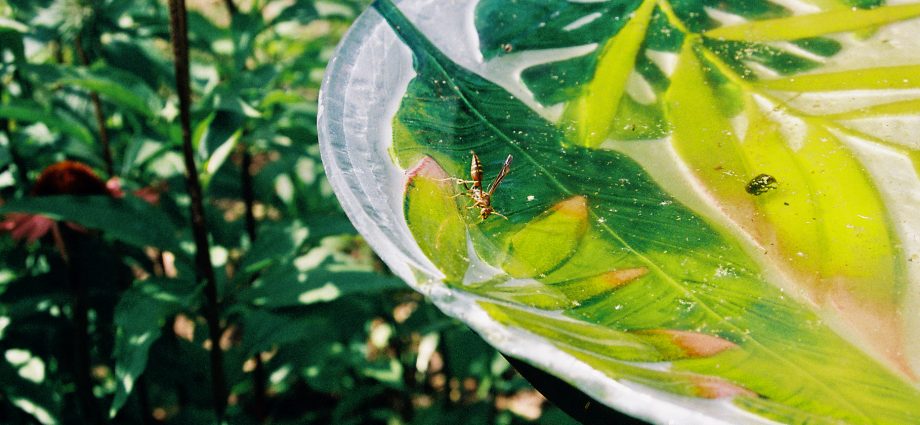
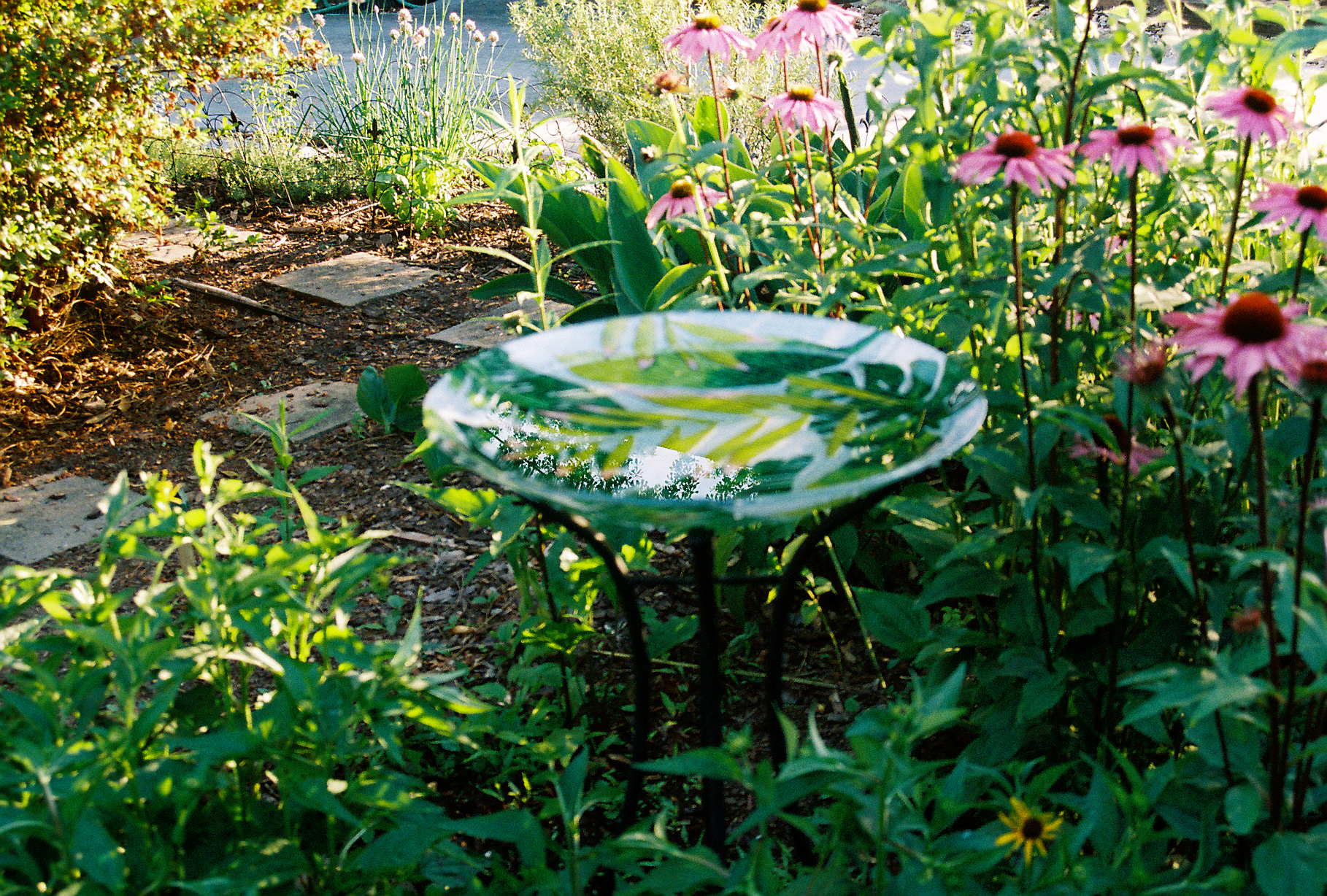
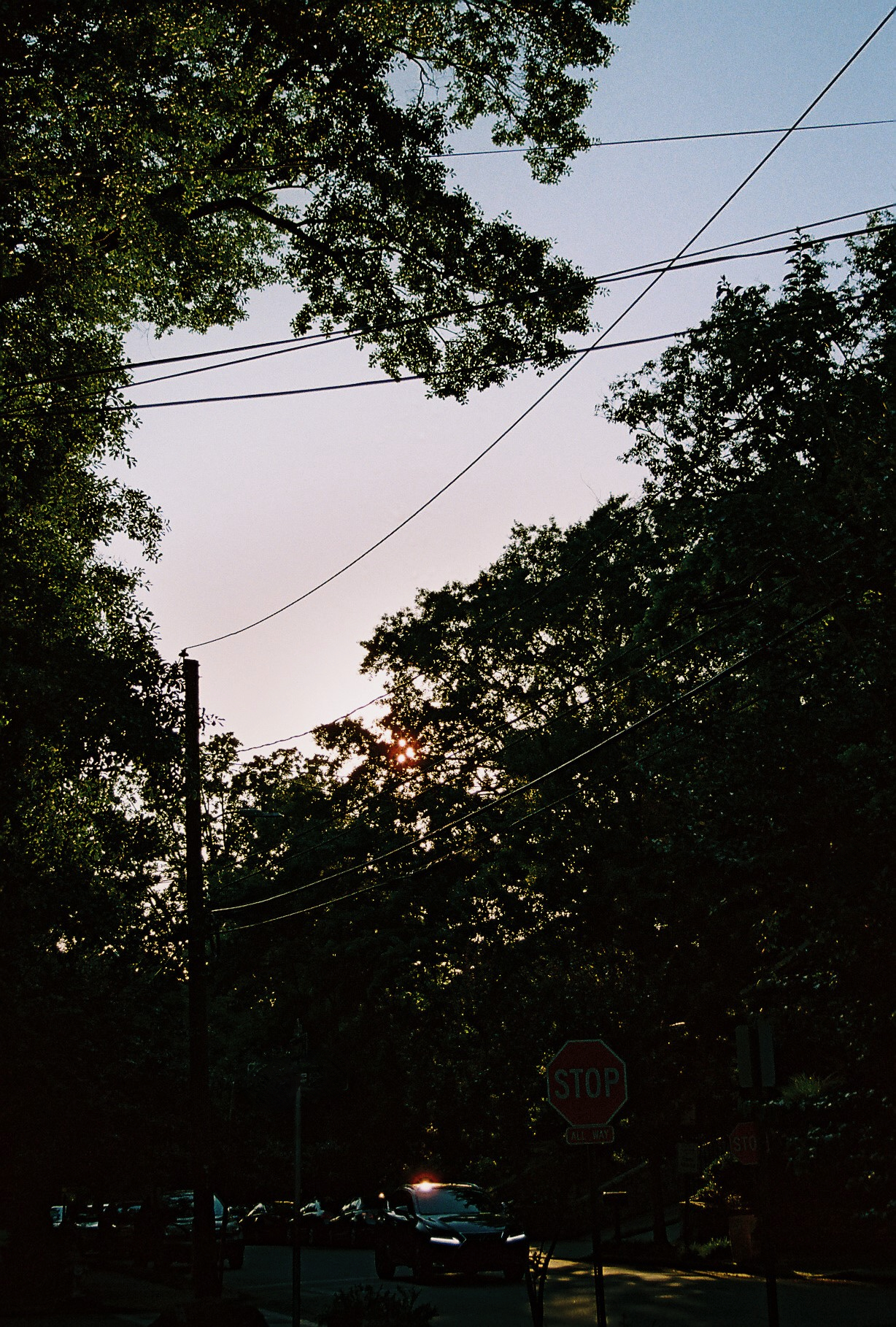
These images were shot with natural light. Outdoor images were taken in the early morning (except the bracketed image), while still-life images are mostly in afternoon window light. Since I was experimenting, each image was taken with a specific aim. The bird bath was an attempt to capture the reflection on the water (focus), which turned out pretty well. The sunlight through the trees was one of three images taken while trying my hand at bracketing, and this is my favorite of the three (-1).
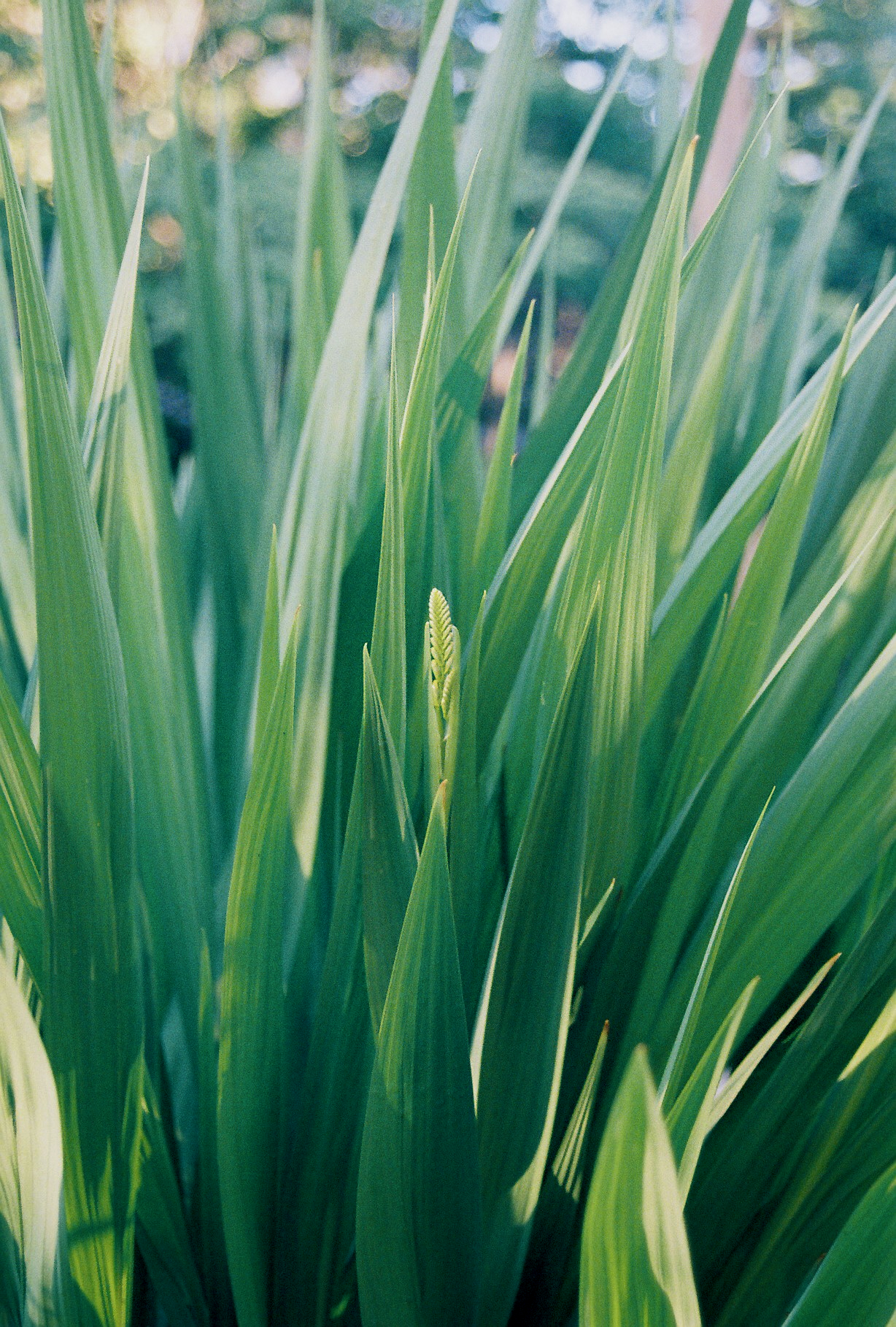
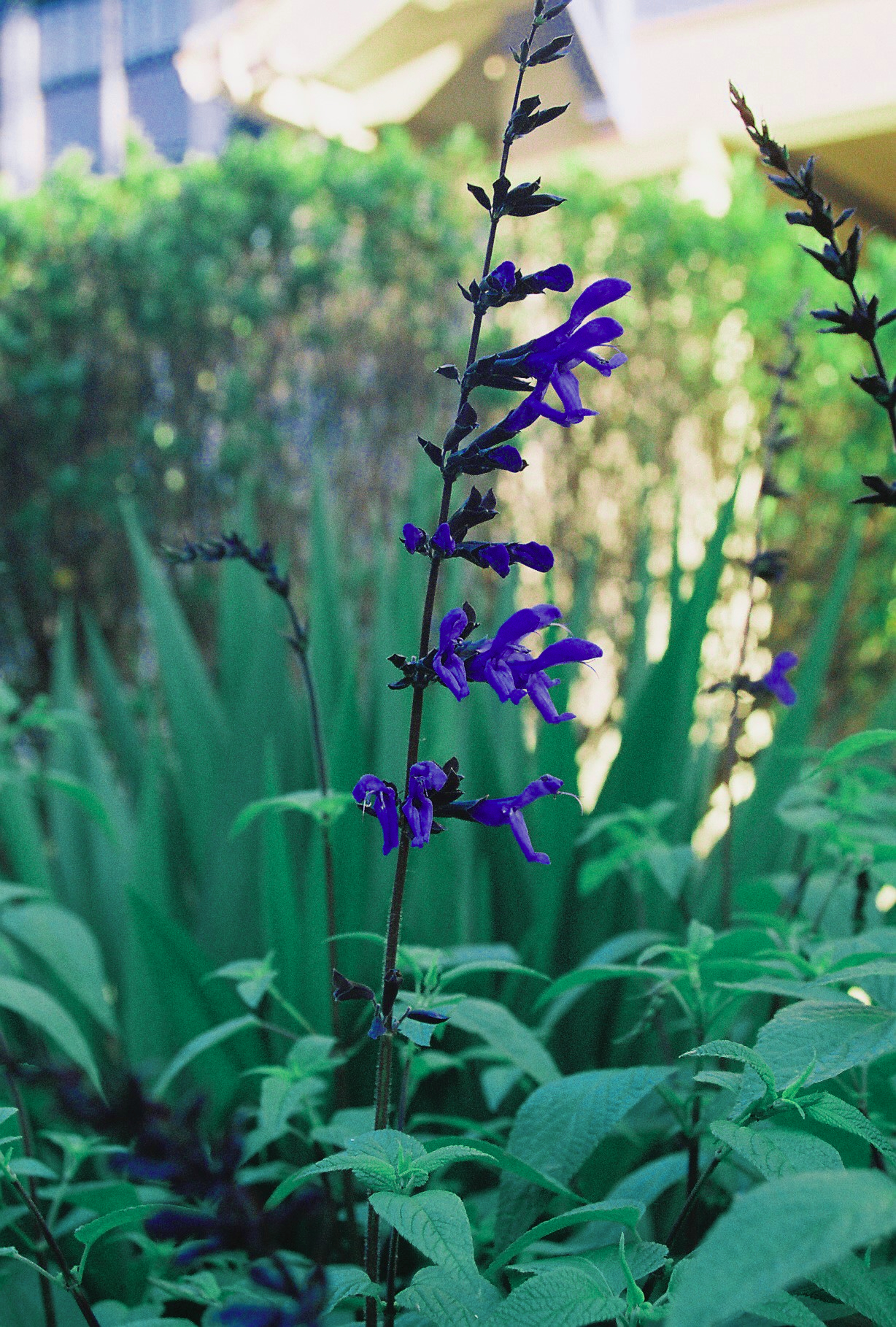
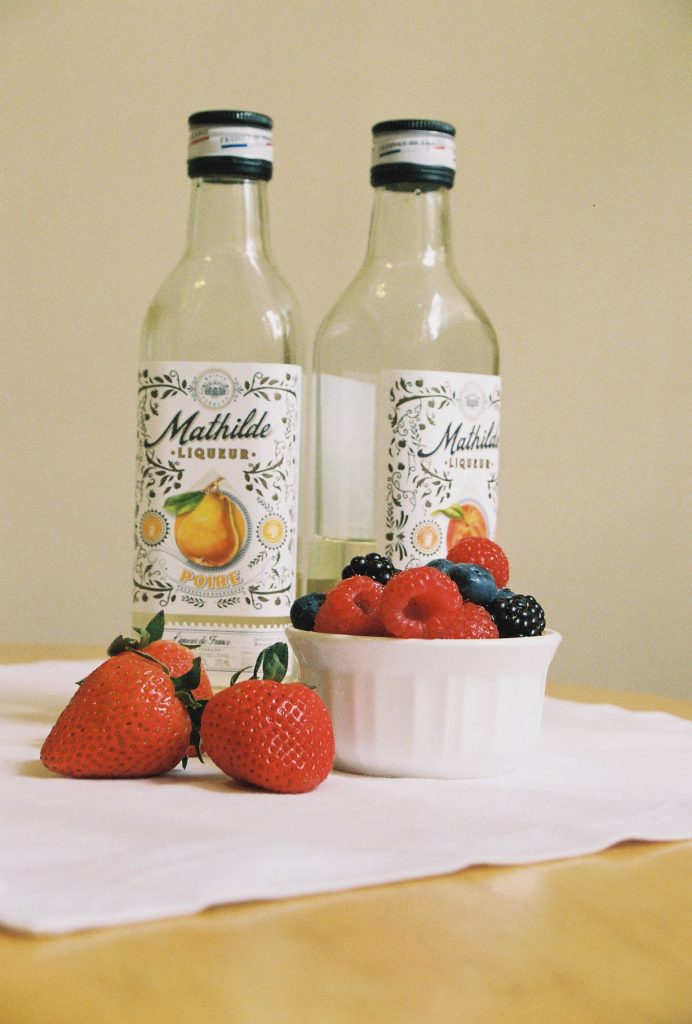
The crocosmia frond and “black and blue” salvia were tests of AF and lens sharpness. The peace lily/hat image and the guitar with limes were my early attempts at still-life composition. Finally, the fruit and liquor bottles comprise a series of three images checking the depth of field at different apertures.
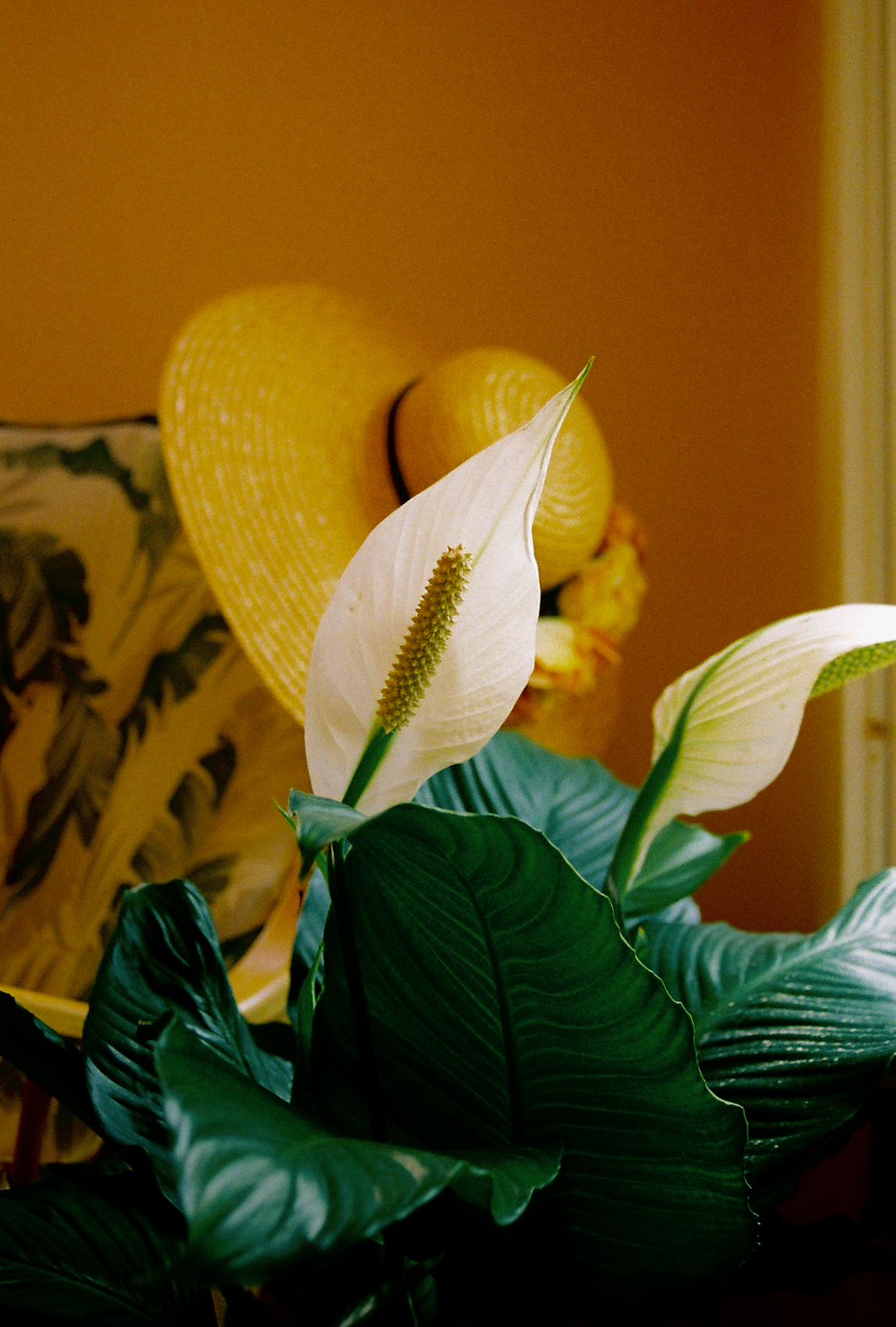
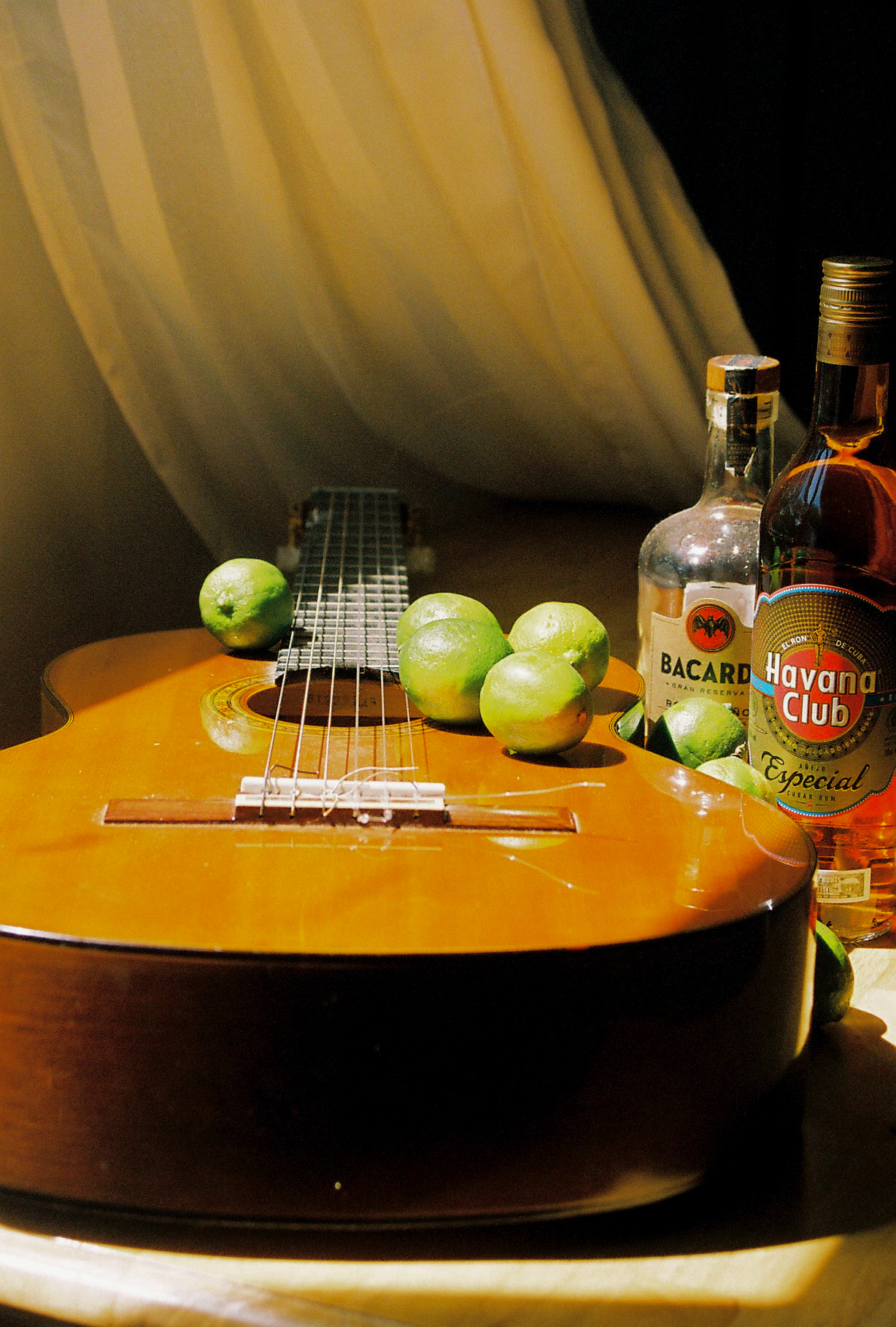
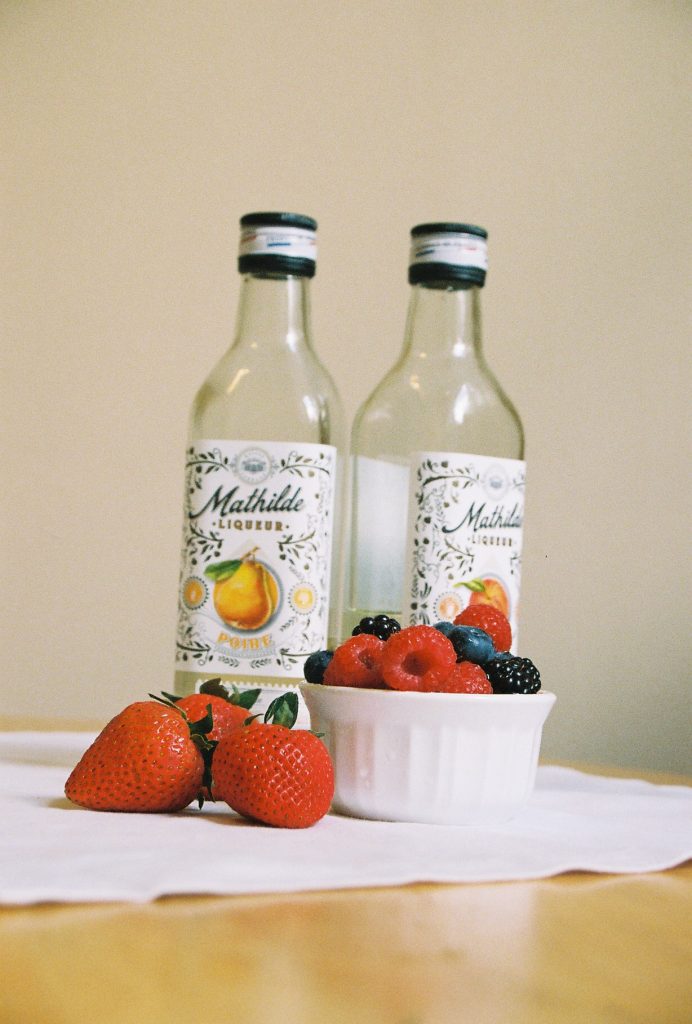
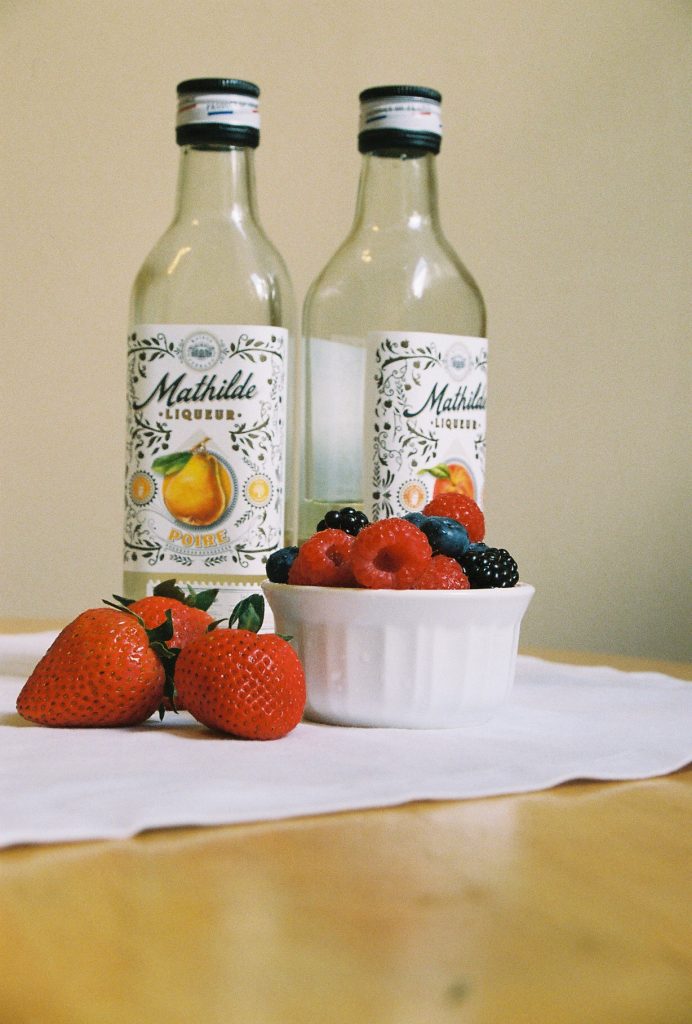
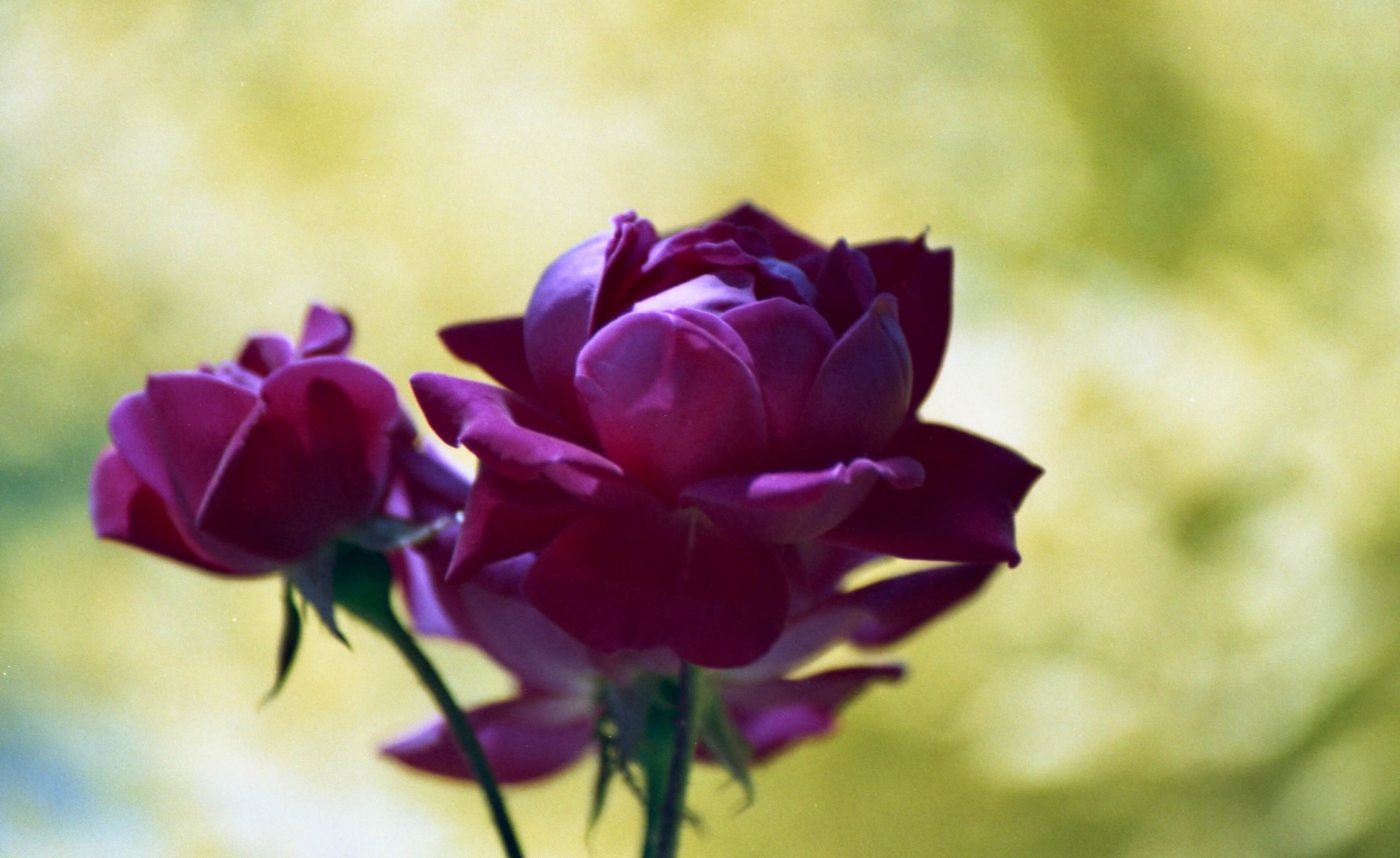
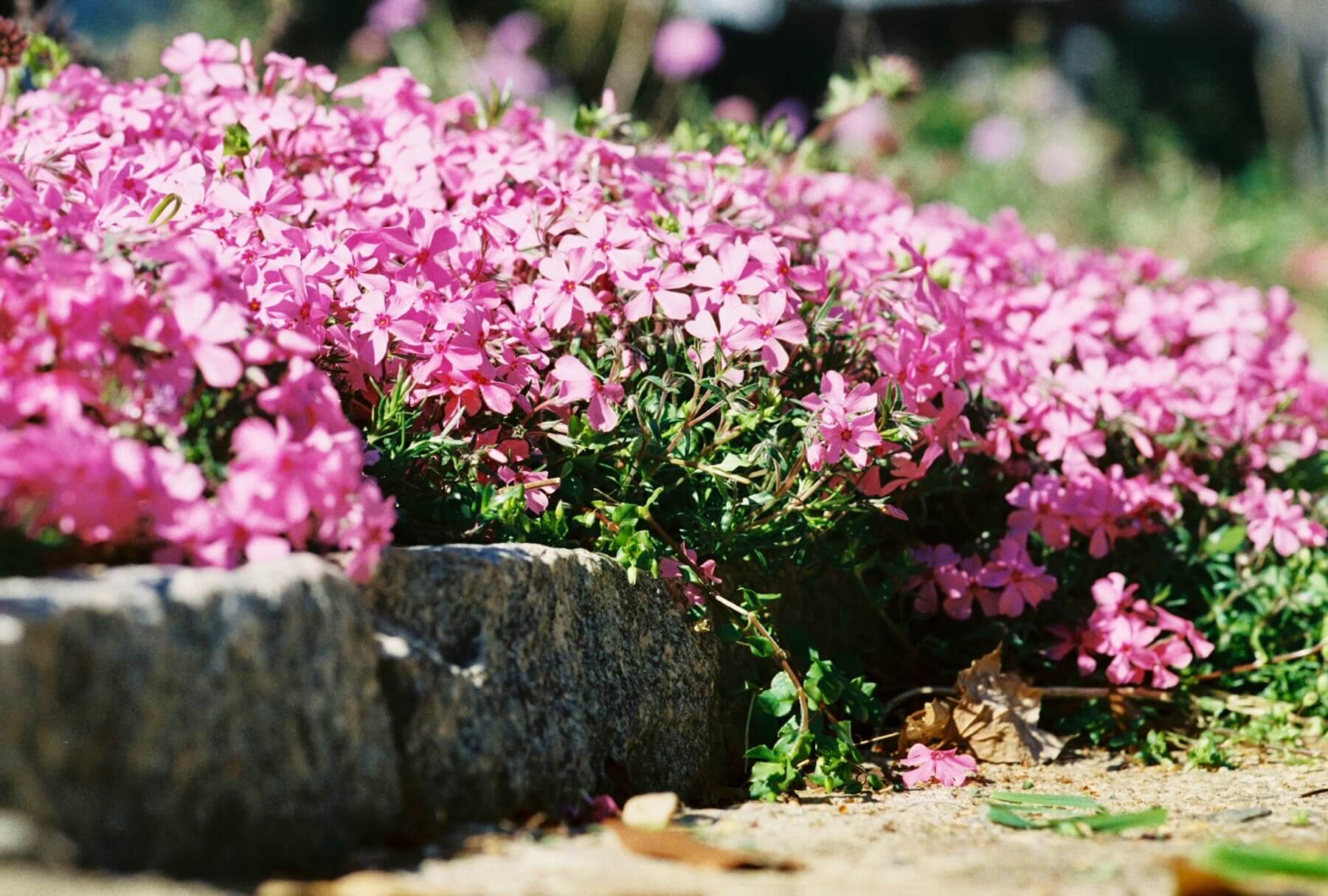
Lomography 800 produces rich, true-to-life colors. The image of the setting sun captures the subtle shades of blueish grey that appear in the late evening sky. Greens are clean and crisp, and reds are rich. However, it does render the “black and blue” salvia, which is indigo, bluer than natural.
On a technical note, the Nikon N80 handled the metering perfectly. Despite the bright, direct light on the limes, the details of the lime’s rind are clearly visible.
Summary
Overall, I like Lomography 800. If it were still $5.00 or so a roll, it would be a no-brainer. However, unless one prefers its slightly more neutral color palette, there is no reason to pass over Portra 800. Fortunately, I still have two rolls in the freezer.




Absolutely love the guitar still life!
Thanks! Looking back, it’s not that bad!