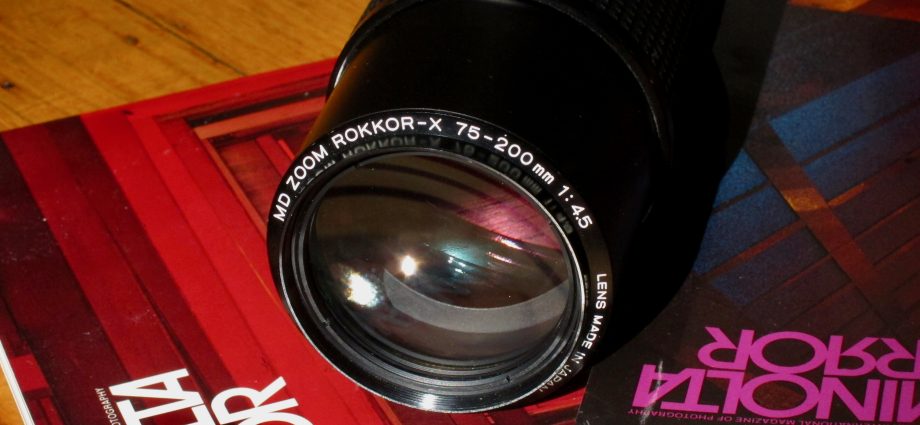
Classic zoom lenses tend to be heavy—at least by my standards of what a typical 50mm or 35mm lens weighs. The MD Rokkor-X 75-20mm f/4.5 is no different. It is hefty, solid, and well-made. The question is whether it is any good. Classic medium-range zooms like the Minolta MD Zoom 35-70mm get plenty of attention and reviews, likely because they are more useful as daily shooting lenses. Reviews of longer zooms are rare, so although they may have mentions in forums, no one seems to champion them. I find this odd, because the AF Minolta 70-210 f/4 has a major following among AF fans.
When I began buying and using Minolta gear in 2019, it took a while before I became aware of the classic zooms. I discovered classic Minolta zooms browsing the Minolta Lens Index Database. Soon after making that discovery, I decided to try them all. Some were easy to find, such as the MD Zoom 35-70mm f/3.5; others, such as the MD Zoom Rokkor-X 24-50mm f/4 and MD Zoom 28-85mm f/3.5-4.5, took longer to locate. In 2019, a clean copy of the MD Zoom Rokkor-X 75-200mm f/4.5 fell midway between those two groups, and it was cheap. My copy, which looks great, cost only 25.00. And now, seven years later, I’m finally getting around to using it. Why??? Because I could never think of an appropriate situation.
This lens is heavy, and walking around the city with a zoom lens can draw stares I’d rather avoid. On the other hand, there is the matter of appropriate subjects—I could never think of any that demanded a long zoom. In my view, long zooms were for studio work or wildlife, so the lens sat unused for years. The Sony A7 II made me take it out of storage.
The A7 II lets me play with ideas and experiment on the spur of the moment, and this post exists because of the beautiful, unexpected results I got with this lens. This 50-plus-year-old lens renders great color and contrast on the 24MP sensor—to say I was shocked would be a significant understatement.
Background
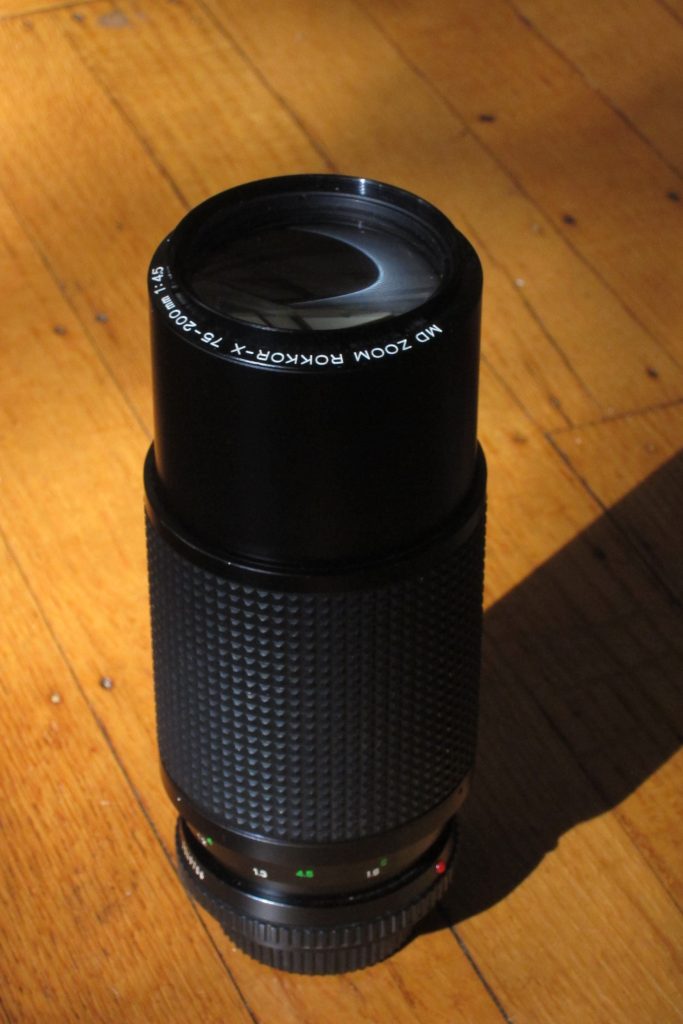
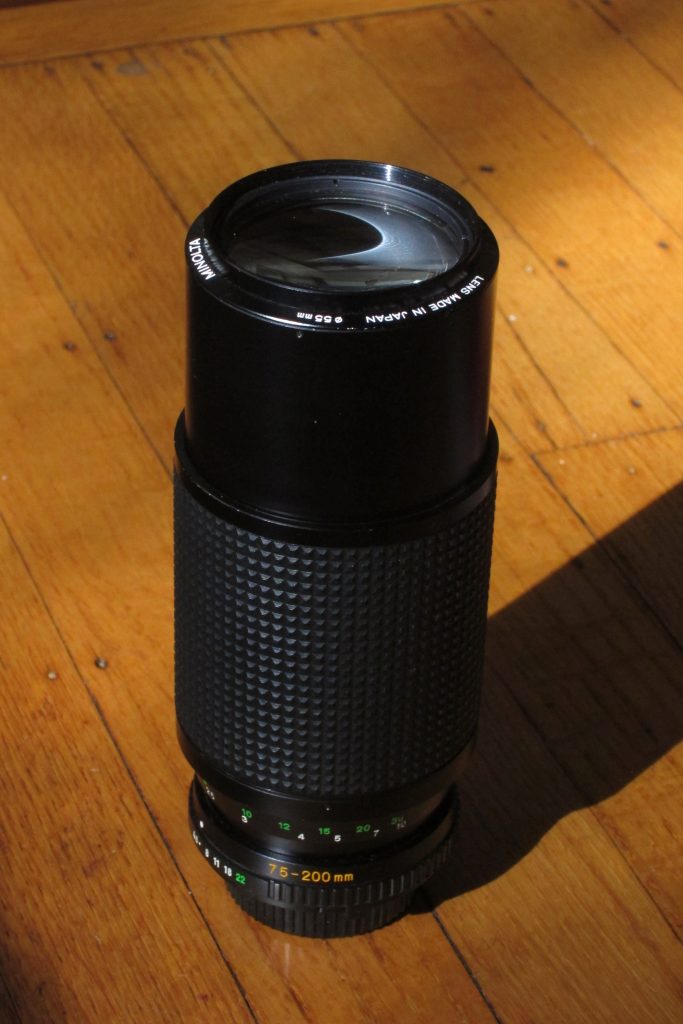
Introduced in 1978, one year after the launch of Minolta’s XD camera line, the 75-200mm zoom has two versions—the 1978 Rokkor-X version (MD II) and the 1981 MD Zoom (MD III). Both versions share the same optical formula, though they likely have different coatings. Notably, this lens was also part of the Minolta-Leica collaboration. Apparently, Minolta adapted this lens for Leica.
One place the lenses definitely differ is the lens hood attachment mechanism: the 1978 model has a screw-in hood, while the 1981 model clips on. Minolta’s Retail Price List from July 1979 lists this lens at $683.00.
Technical Specs and Shooting Experience
According to the Minolta SR Lens Index, the minimum focus distance (MFD) is 1.2 m/4 ft. The aperture range is f/4.5 to f/22. It is a one-touch zoom with 15 elements arranged in 11 groups. The 55mm filter size is typical for many Minolta lenses. It is sturdy and well-built, with metal construction and a weight of 630g/22oz. (For more detailed specs, see Minolta SR Lens Index).
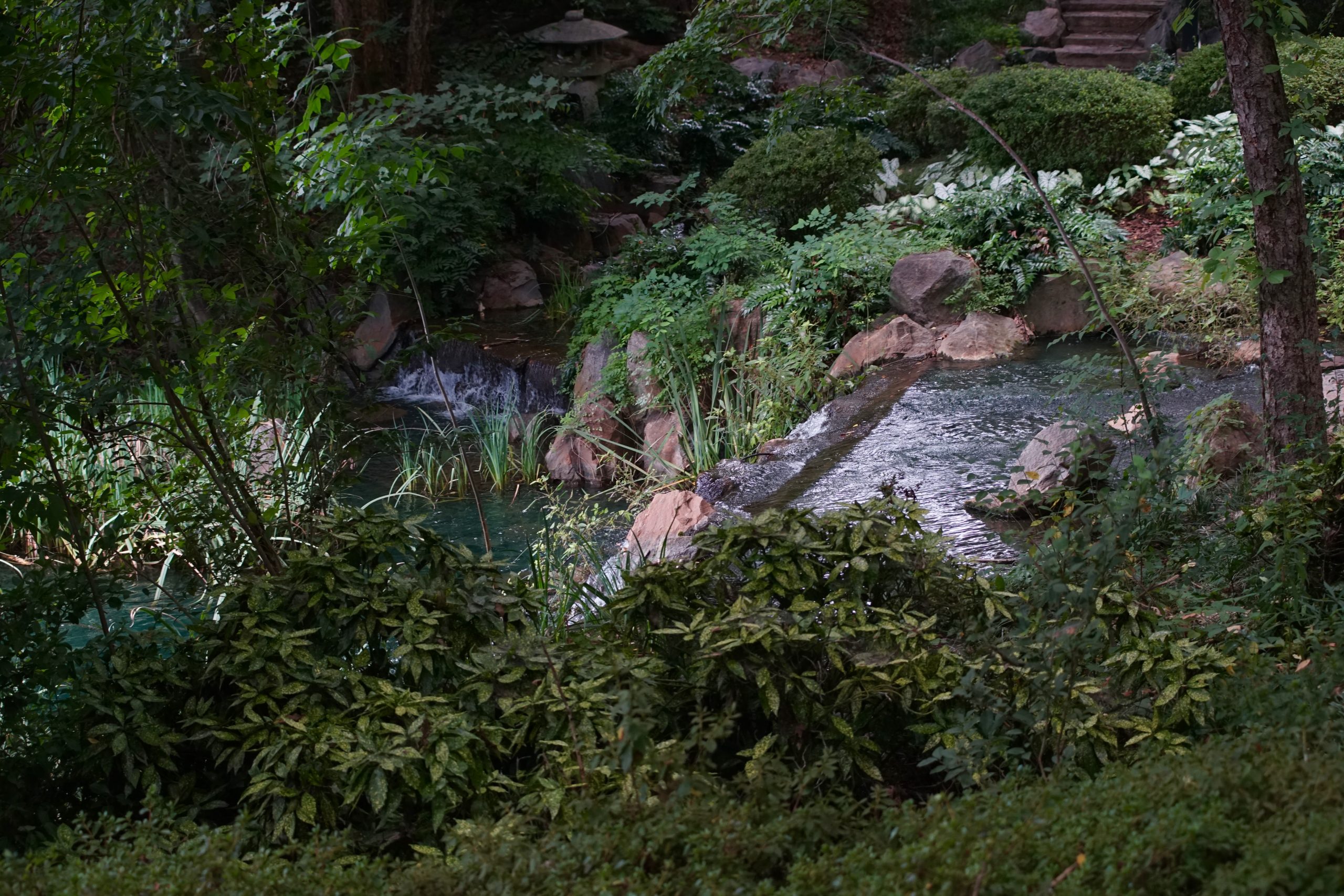
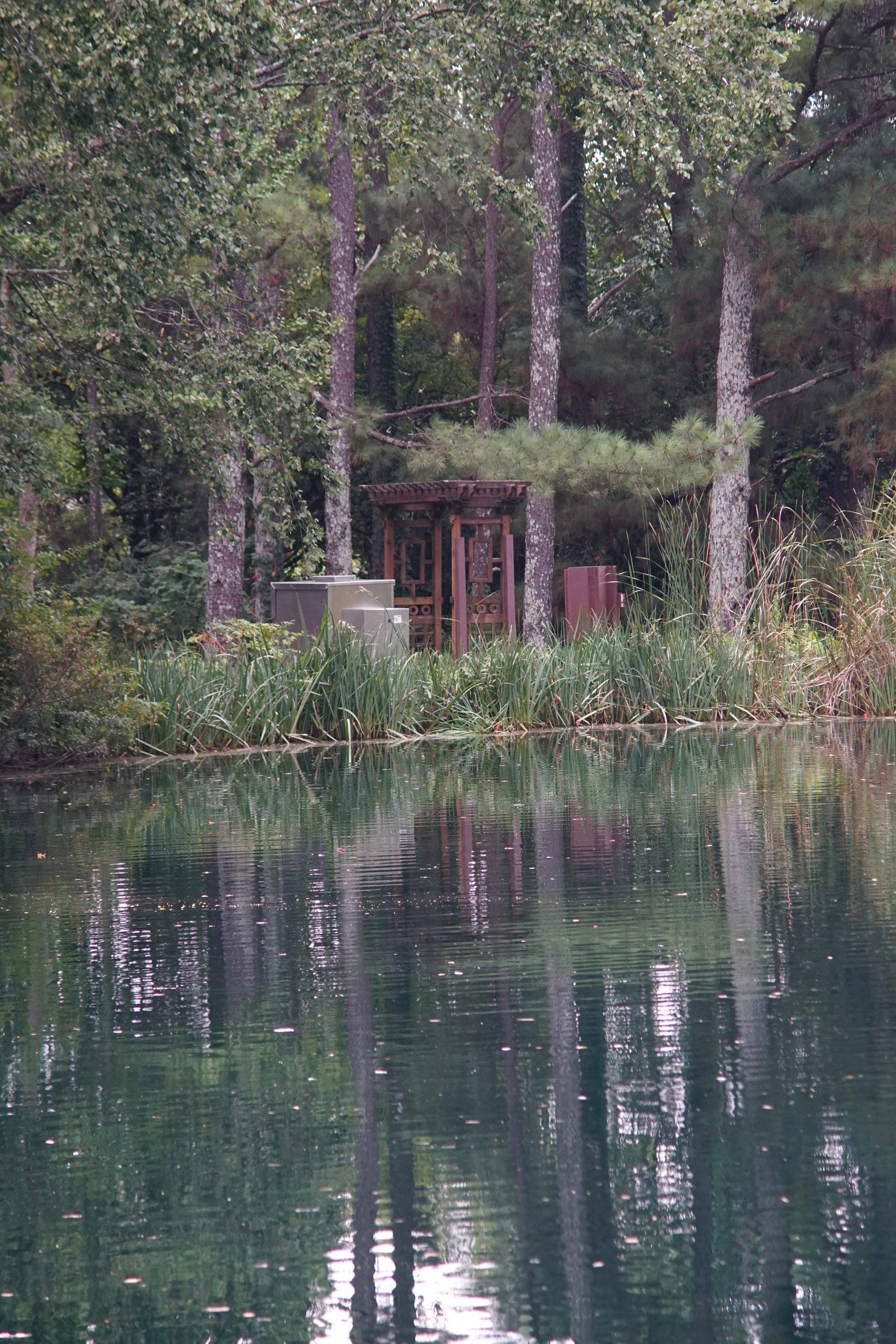
The shooting experience was different than what I had imagined. Initially, reluctant to walk the street with such a conspicuous lens and one that weighed so much, I attached it to the Sony A7 II and took a few garden shots. Next, I went along the lake at the Carter Center, where I planned to make most, if not all, of the images. However, after a while, I realized the weight wasn’t as onerous as I expected, so I ventured into the city. This outing made me realize how much I like one-touch zooms—zooming and focusing are faster. I worried about how people would react to a guy with a decent-sized zoom and camera wandering about, but it was all for naught. The only reaction I noticed was that people politely stopped so they wouldn’t enter the shot.
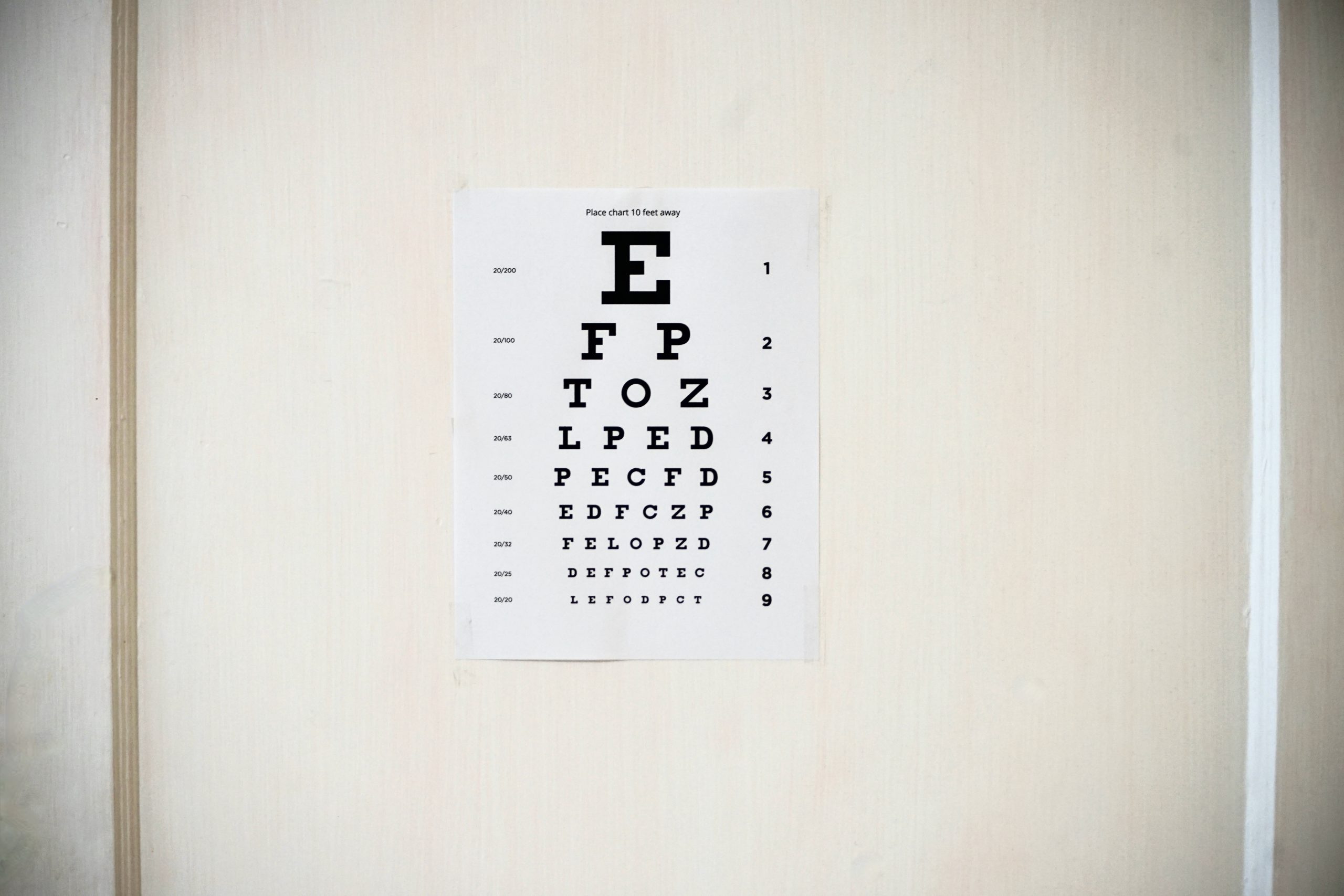
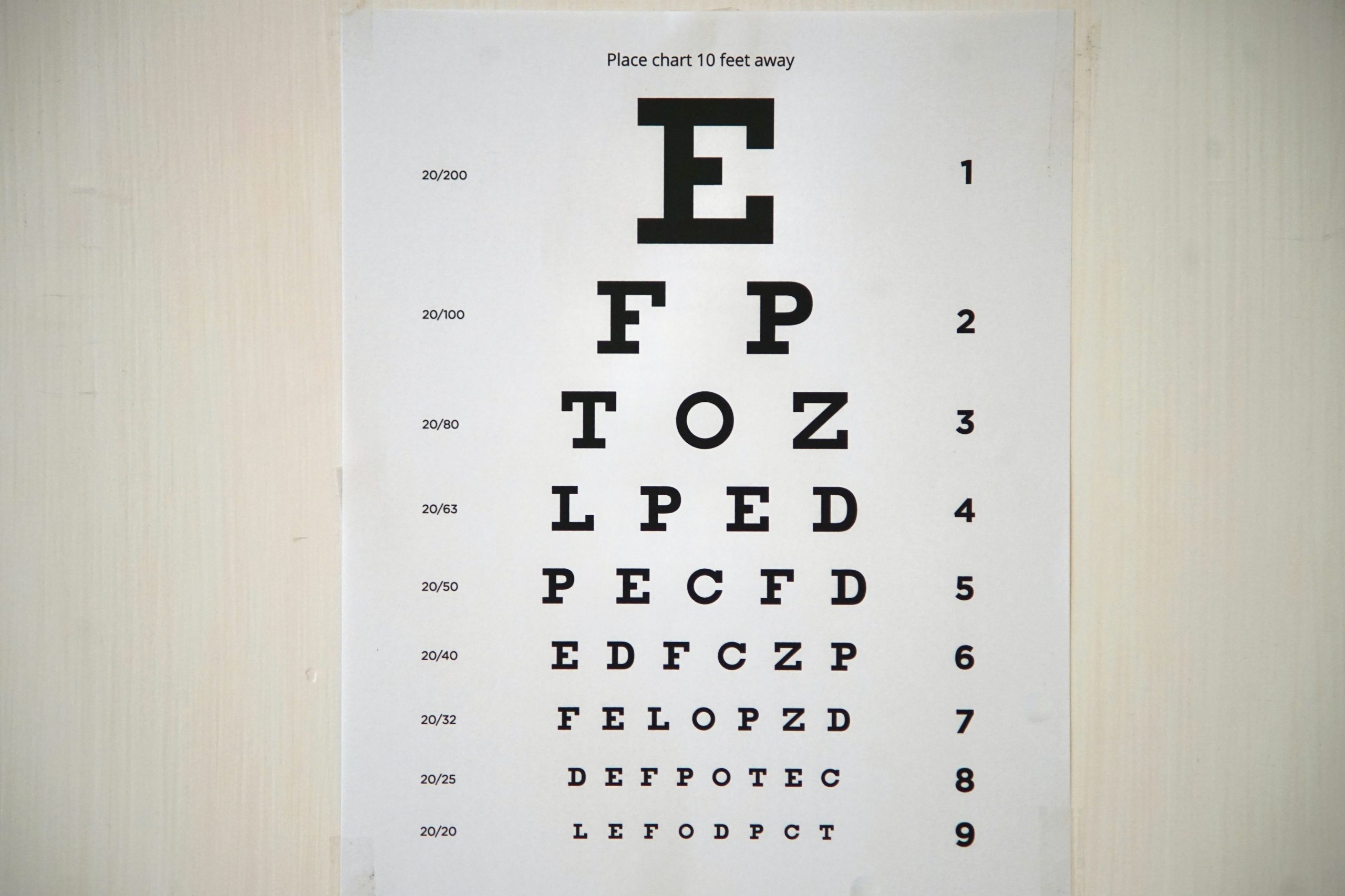
To get a sense of sharpness, I shot one image at f/4.5 at 75mm and one at 200mm at the MFD, and both look better than expected. Overall, the more I used this lens, the more I liked it. I absolutely love it on the Sony A7 II.
Buying
Copies seem far more plentiful on eBay now than when I bought mine 6 years ago. However, prices are about the same in the $25-35.00 range. The 1978 and 1981 versions seem to be equally represented in eBay listings.
Images
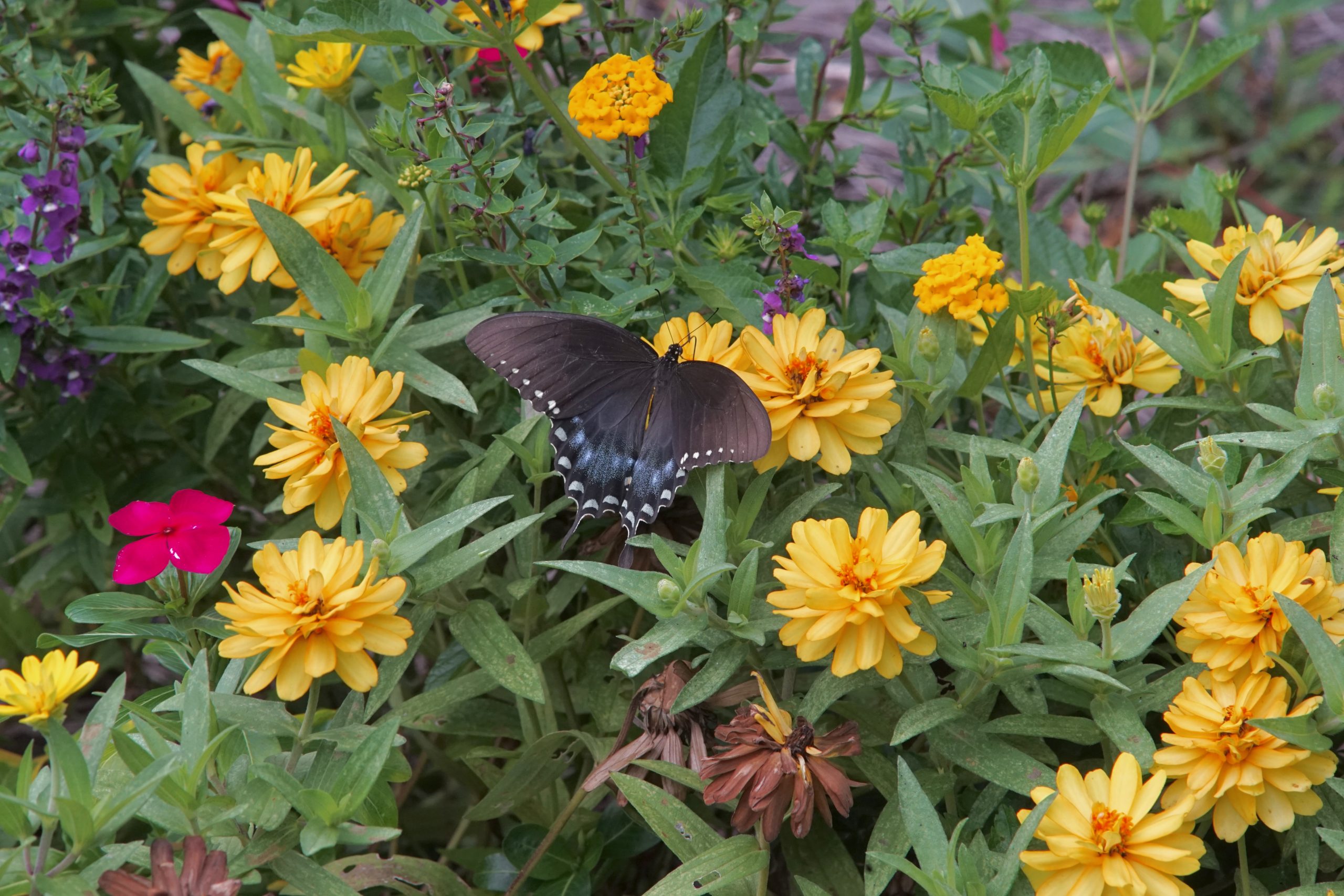
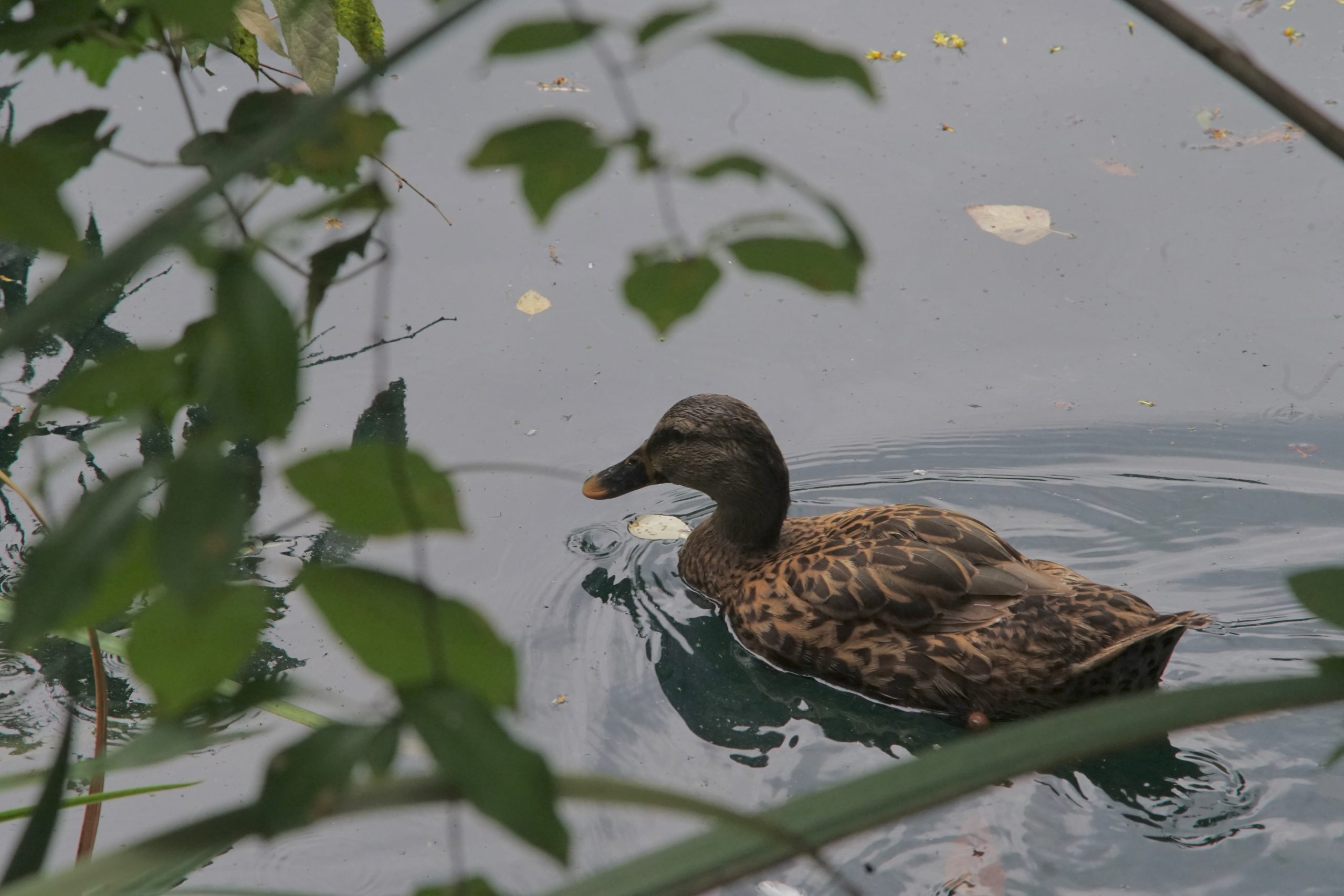
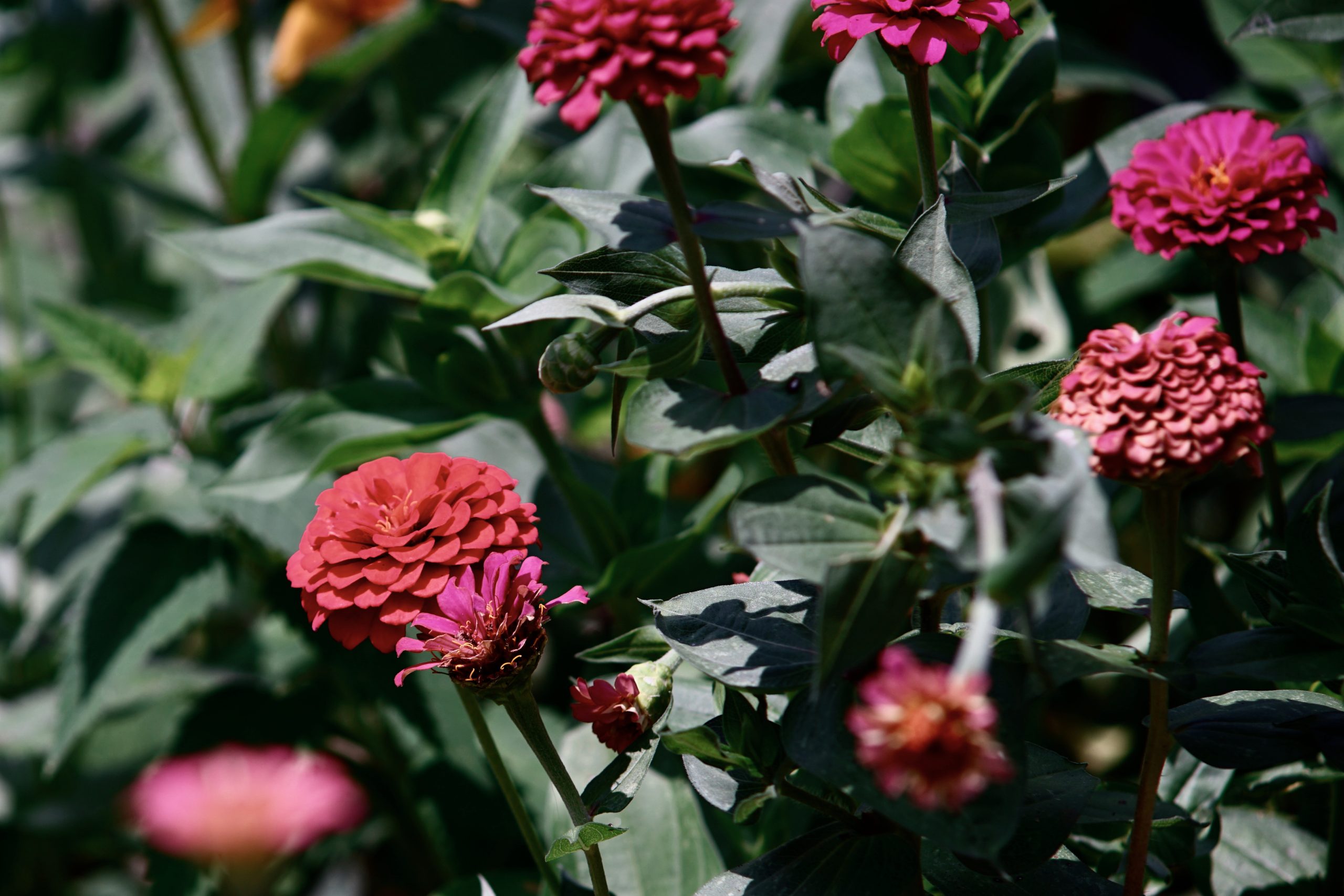
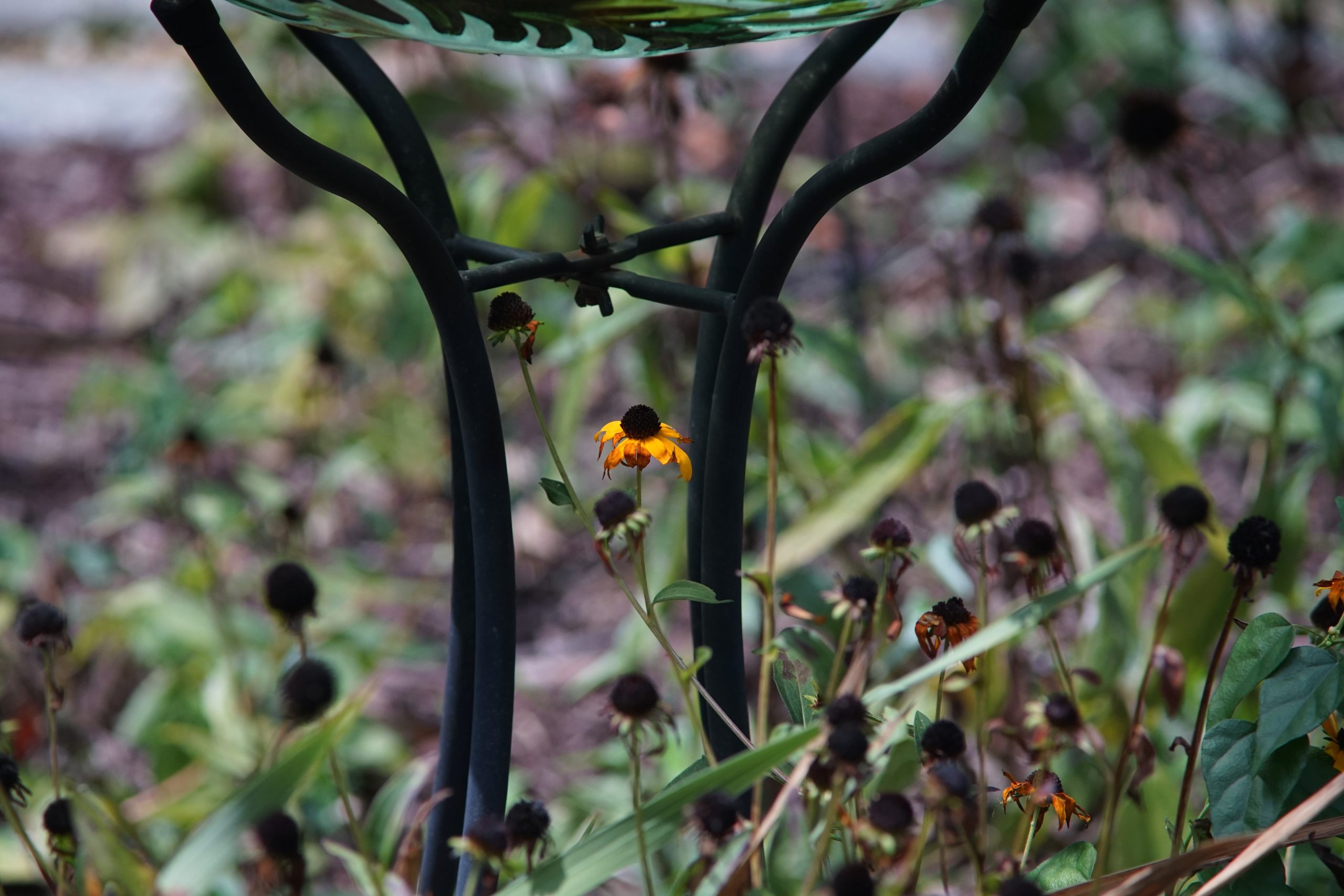
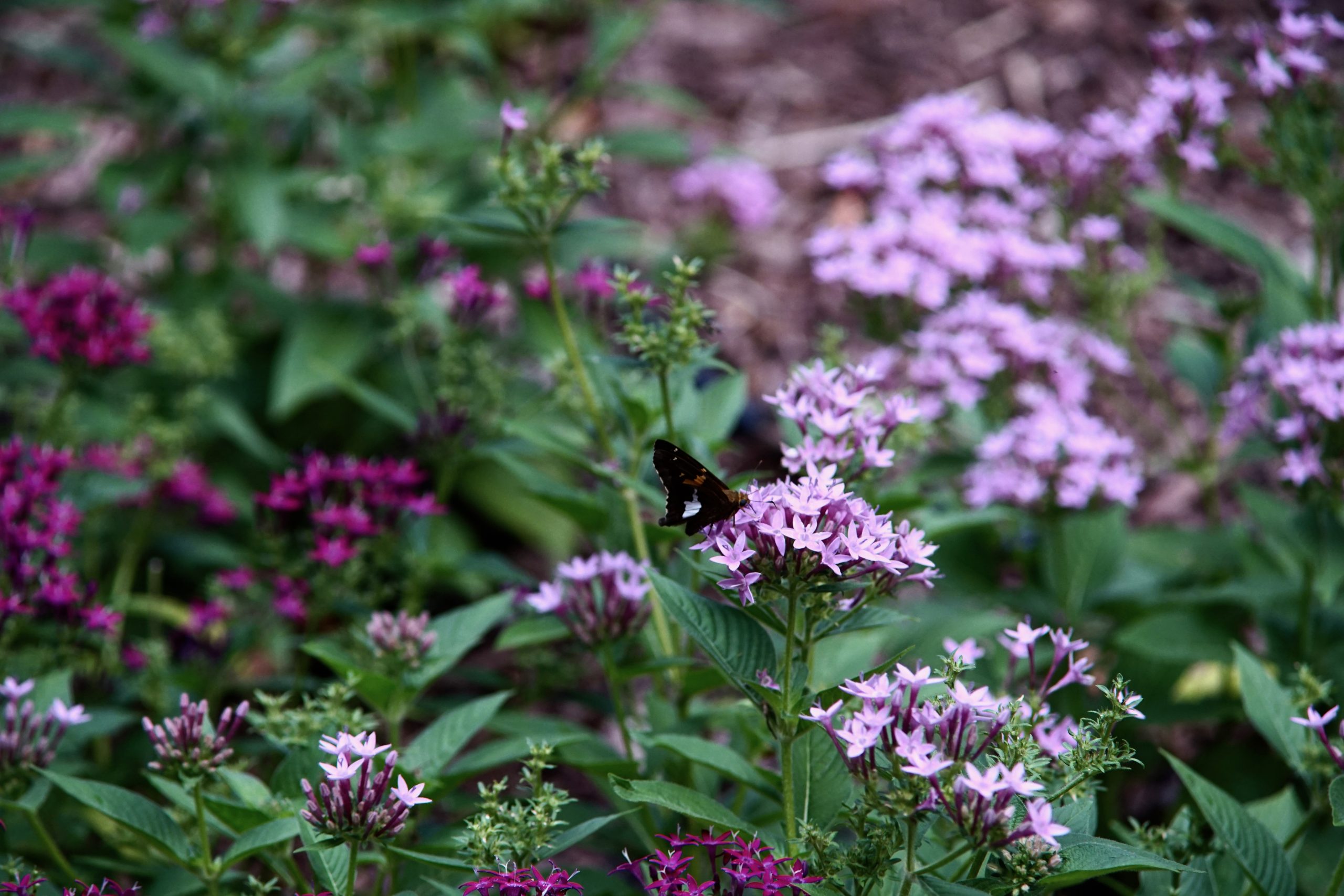
I shot the two eye chart test images wide open at 75mm and 200mm at the MFD. I shot the remaining images at various apertures. In particular, I wanted to test the lens with color subjects, so naturally flowers were a first choice. It was a very bright day out, so I’m pleased with how well the Sony A7 II handled the brightness. The zinnias look good, as does the tiny black-eyed Susan. Since yellow and red flowers cause the most trouble with film, especially in bright light, I’m happy with the color images. Of note, both the black swallowtail butterfly and the duck demonstrated the utility of the one-touch zoom. Using focus peaking, I chased the butterfly for a few minutes, trying to nail focus as it flitted from flower to flower. The duck chose to play hide-and-seek, moving in and out behind leaves and occasionally bobbing for a bite to eat. I took five shots, and the one shown was the only one where I could get a clear shot of its head.

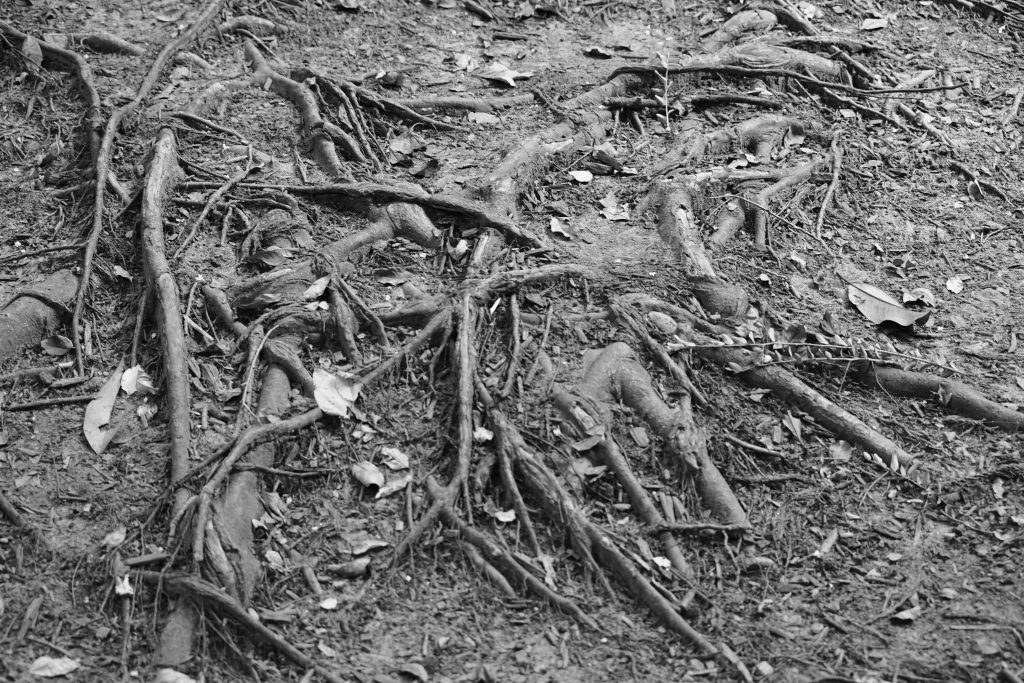

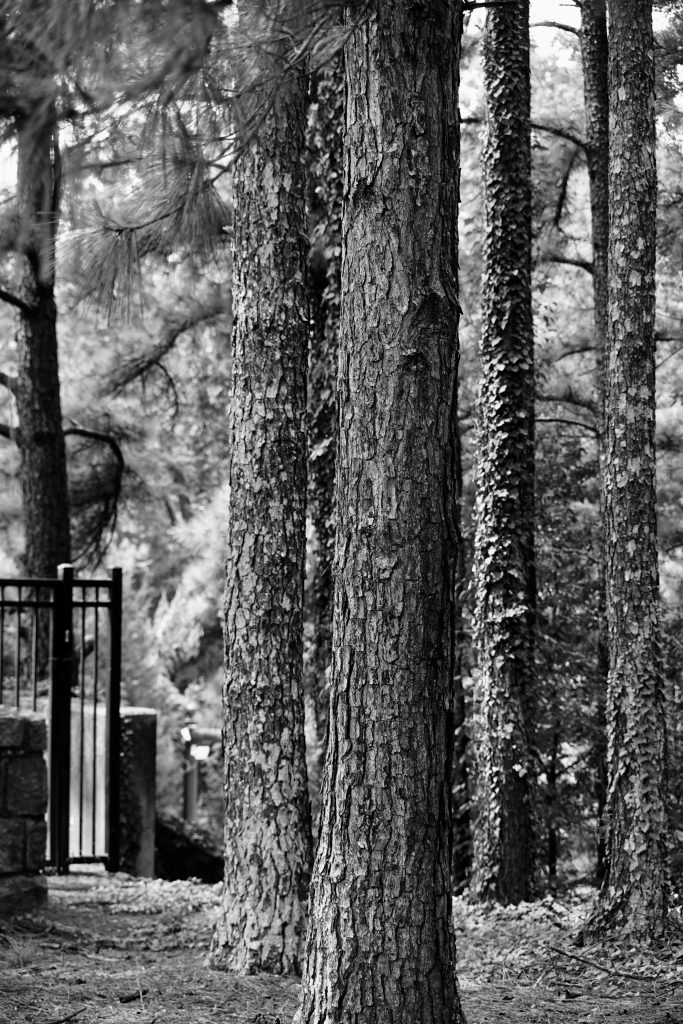

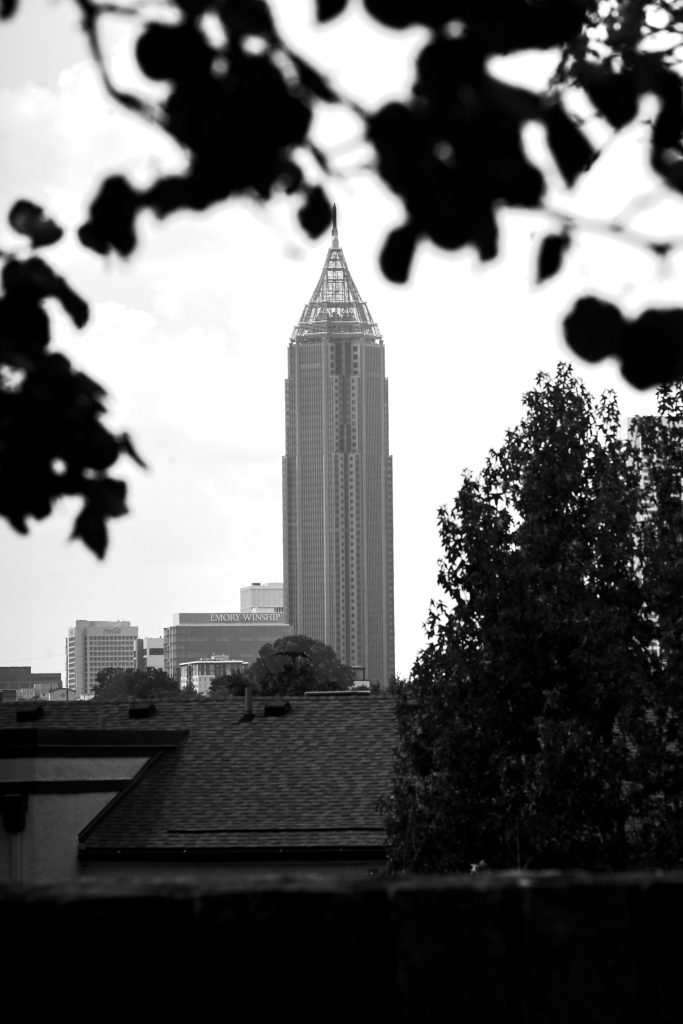
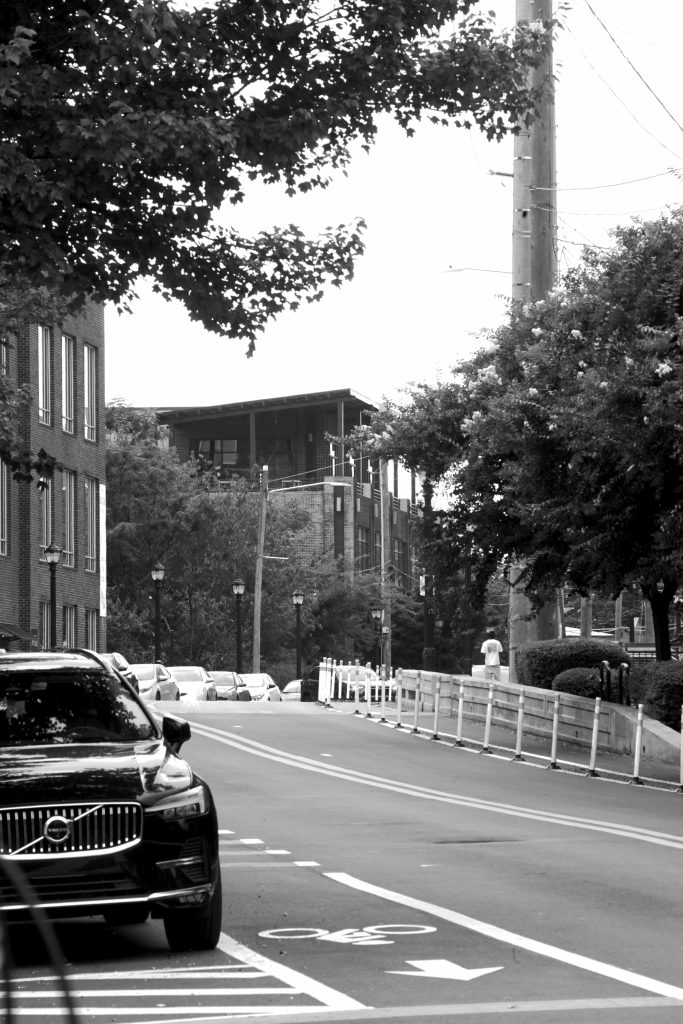

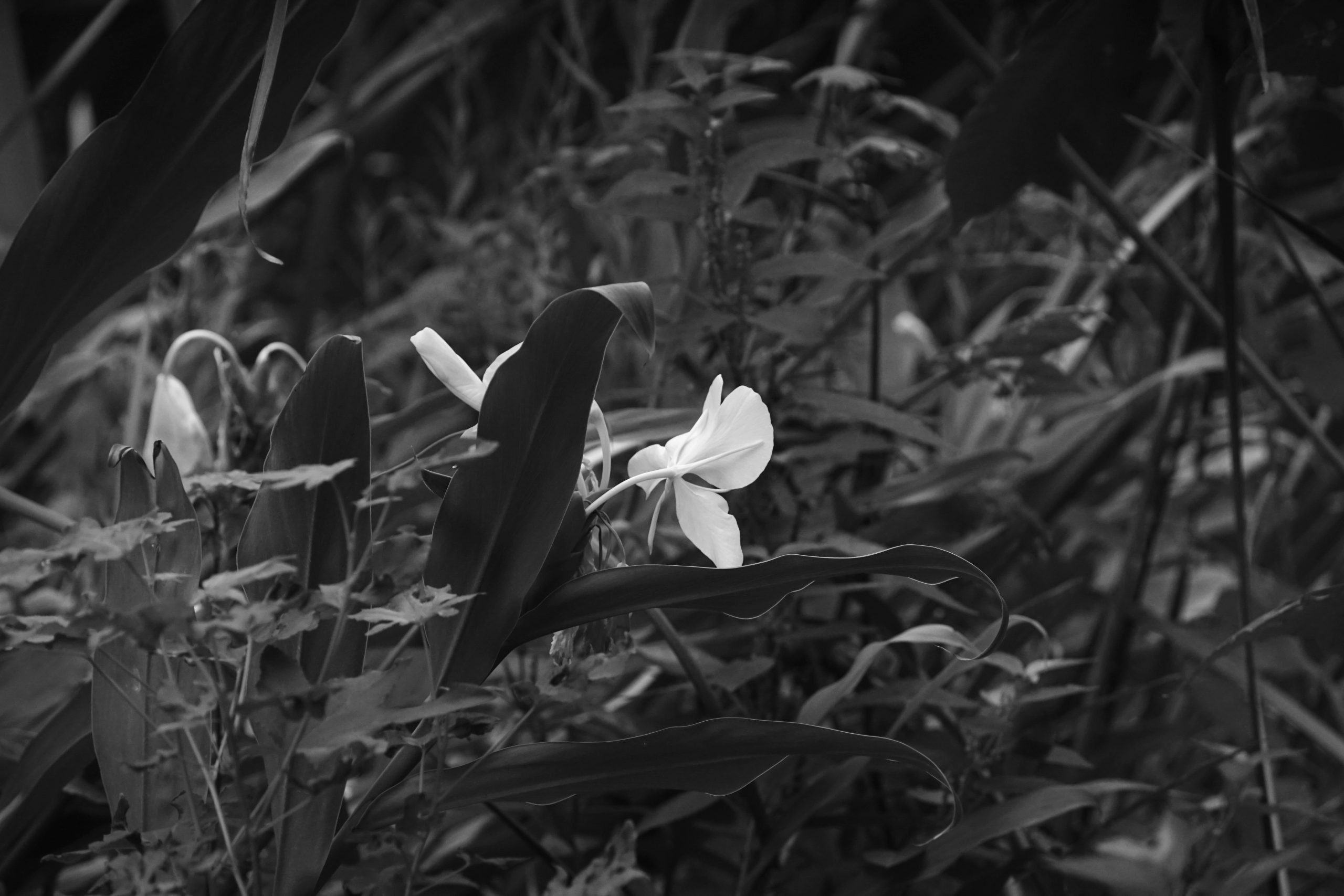
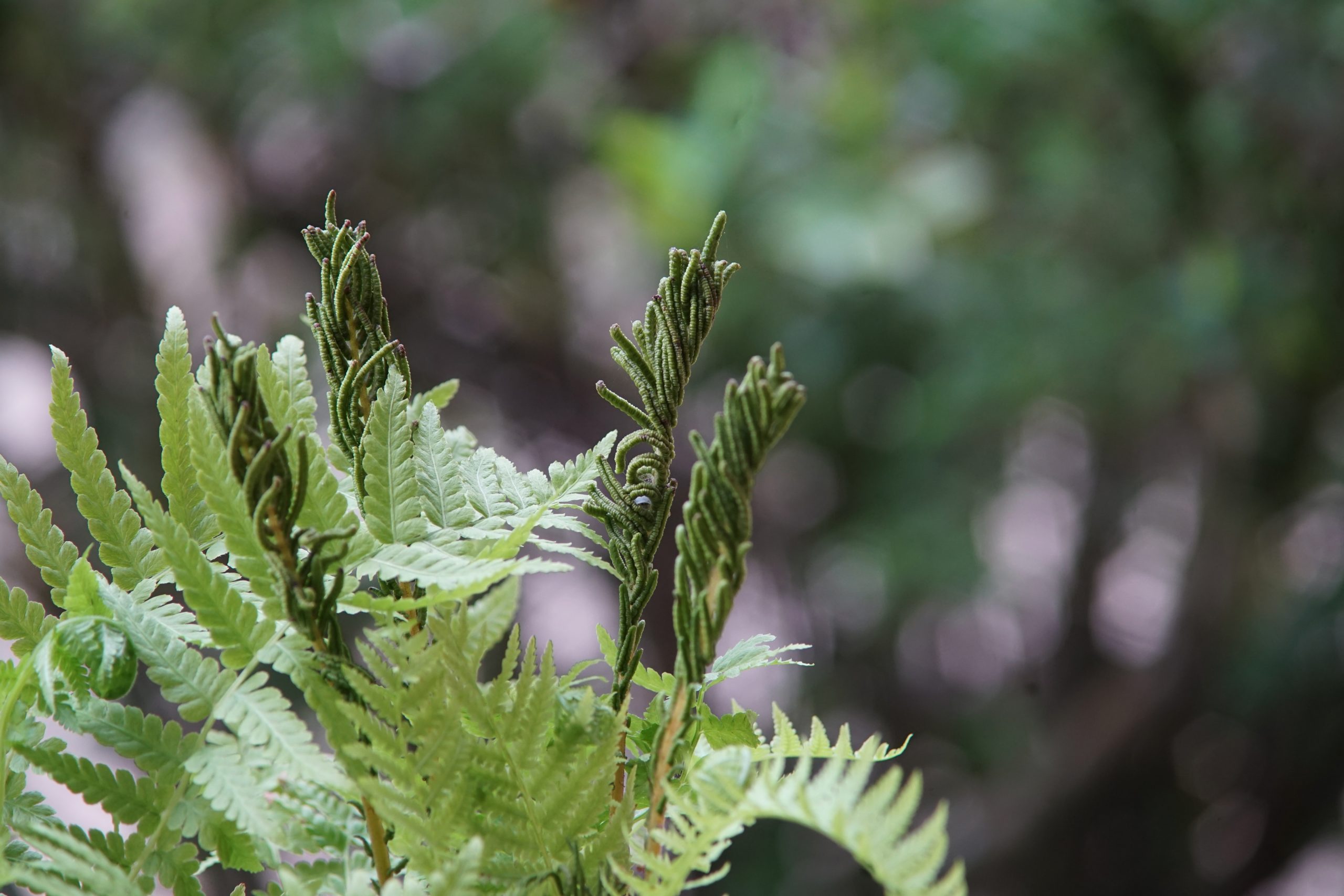
All the time I’ve had this and other long zooms, I’ve never imagined using them while out and about. I found that framing shots at 75mm was not that different from 50mm. And many times, I could zoom to 200mm to change the point of interest. The pine leaves and tree roots are examples of using a long FL to change the point of interest—both emphasize texture. I shot the white flower at about 10 feet, at f/8, and I am pleased with how well the texture and flower are rendered.

Impressions
I like this lens! I refrained from using long zooms on my XD and other manual Minoltas because my general impression was that they weren’t as good as the AF 70-210mm f/4 beer can—I was wrong. In my experience, having shot with both on the Sony A7 II, the Rokkor-X 75-200mm f/4.5 readily matches the sharpness, contrast, and color.
Also, I happily admit that having the 75-200mm focal length available for cityscapes provides far more flexibility for framing and imaging than I thought possible. Studio work and wildlife images, of course, are natural fits; however, they also work well in other settings. One aspect of using the Sony A7 II that doesn’t apply to my manual-focus Minoltas is the ability to change ISO sensitivity. A few images were shot at f/11, and given the 200mm FL, I needed a shutter speed of 1/250 or faster. Thus, a few times, I bumped the ISO up to 1600 to avoid motion blur—something not possible with my beloved XDs.
This lens was destined for eBay, but after seeing these images, it stays. Given its performance, I wonder why there are so few online reviews. In any case, I’m keeping mine. You might want to grab one too.