
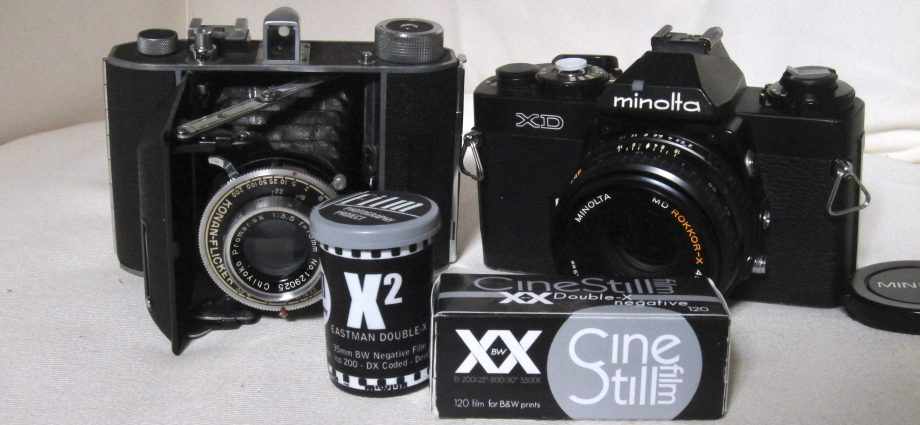
For most of the past year, I have been shooting Kentmere and UFX when B&W film was needed. Both work well; the images they produce have acceptable tone and contrast. Since none of my images are intended for use beyond this blog and my wall, acceptable is fine. I’ve tested other black-and-white emulsions, such as Potsdam Kino and Berlin Kino, the TMax films and Tri-X, as well as HP5 Plus and FP4, but few have surprised me. I love Tri-X because images are so richly toned. HP5 Plus seems flatter in tone, but it’s fine. So, when I try a new B&W film, I don’t expect to be surprised. BWxx did just that.
Introduced in 1959, Eastman Double XX 5222 (CineStill BwXX and FPP X2) was used to shoot many classic B&W movies. I tried BWxx on two outings, once with the Minolta AF-C and once with my newly CLA’d X-700 and a 45mm f/2 lens. Both days were sunny and bright with large fluffy clouds. Most of the AF-C shots were in deep shade and did not turn out as hoped. After scanning them, I was less than enthused about a second outing. Despite my misgivings, I loaded the X-700 and headed to Midtown. I’m glad I did.
I developed the film using CineStill DF96 for 6.25 minutes and scanned it with the Epson V600. One thing few reviewers mention is how much curl BWxx has. I tried drying it in a humid bathroom for hours—it did not help. After two weeks of being pressed under heavy books, the curl was still quite evident. While waiting for the curl to go away, I found a company that sells inexpensive ANR glass cut to order (I’ll give the details in a future post). I ordered sizes suitable for the V600 35mm film holder, and the results are what you see.
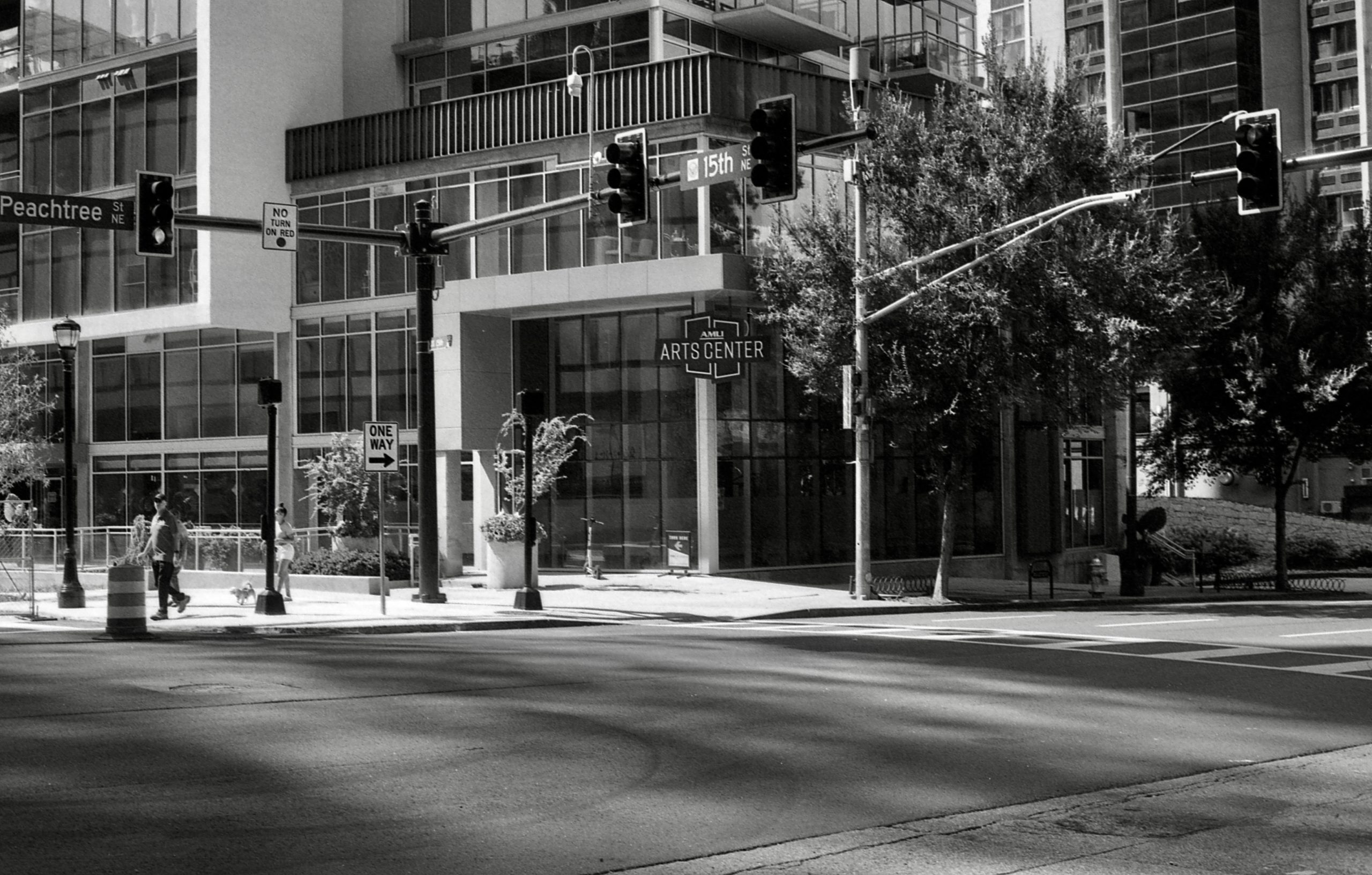
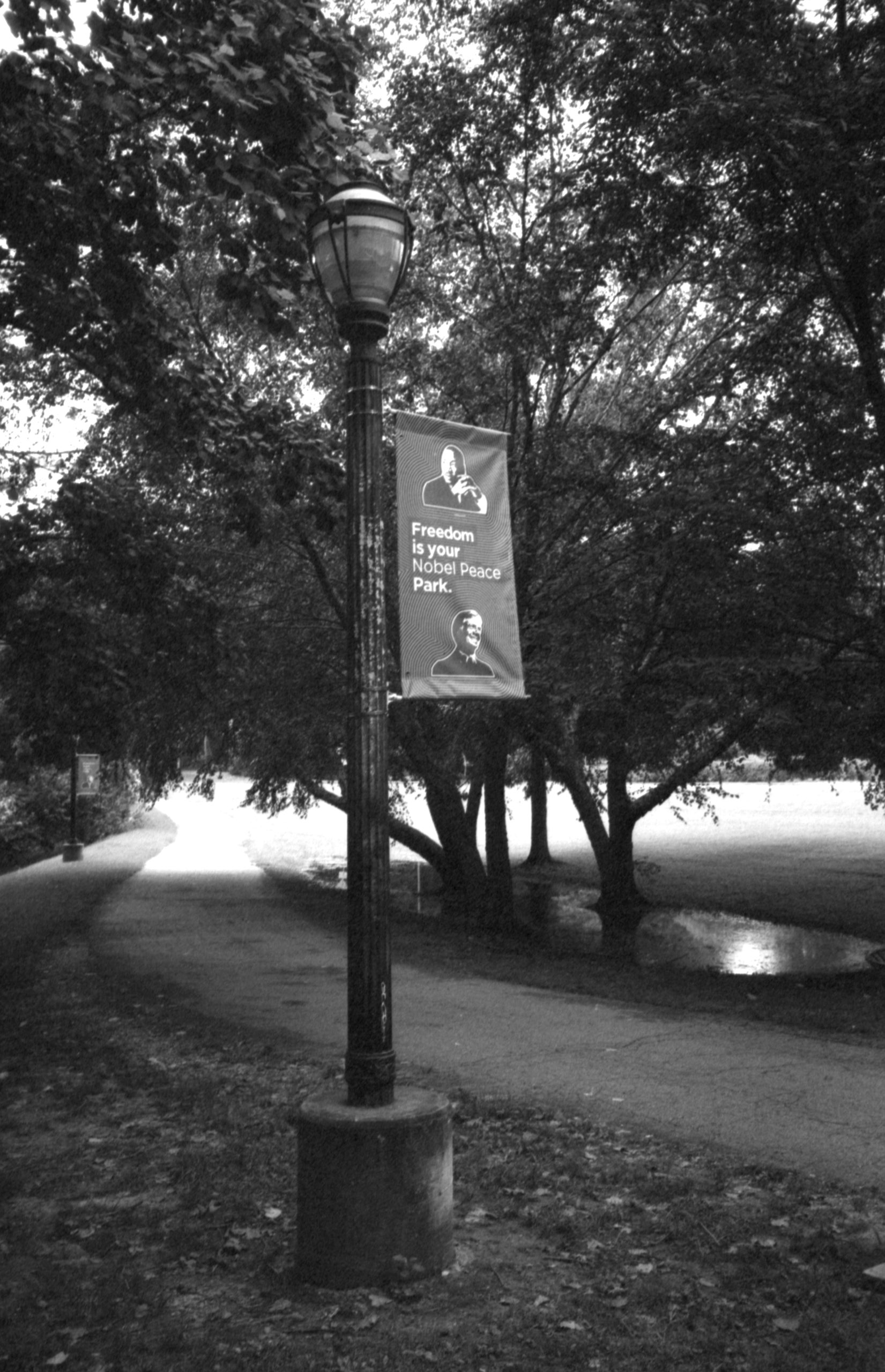
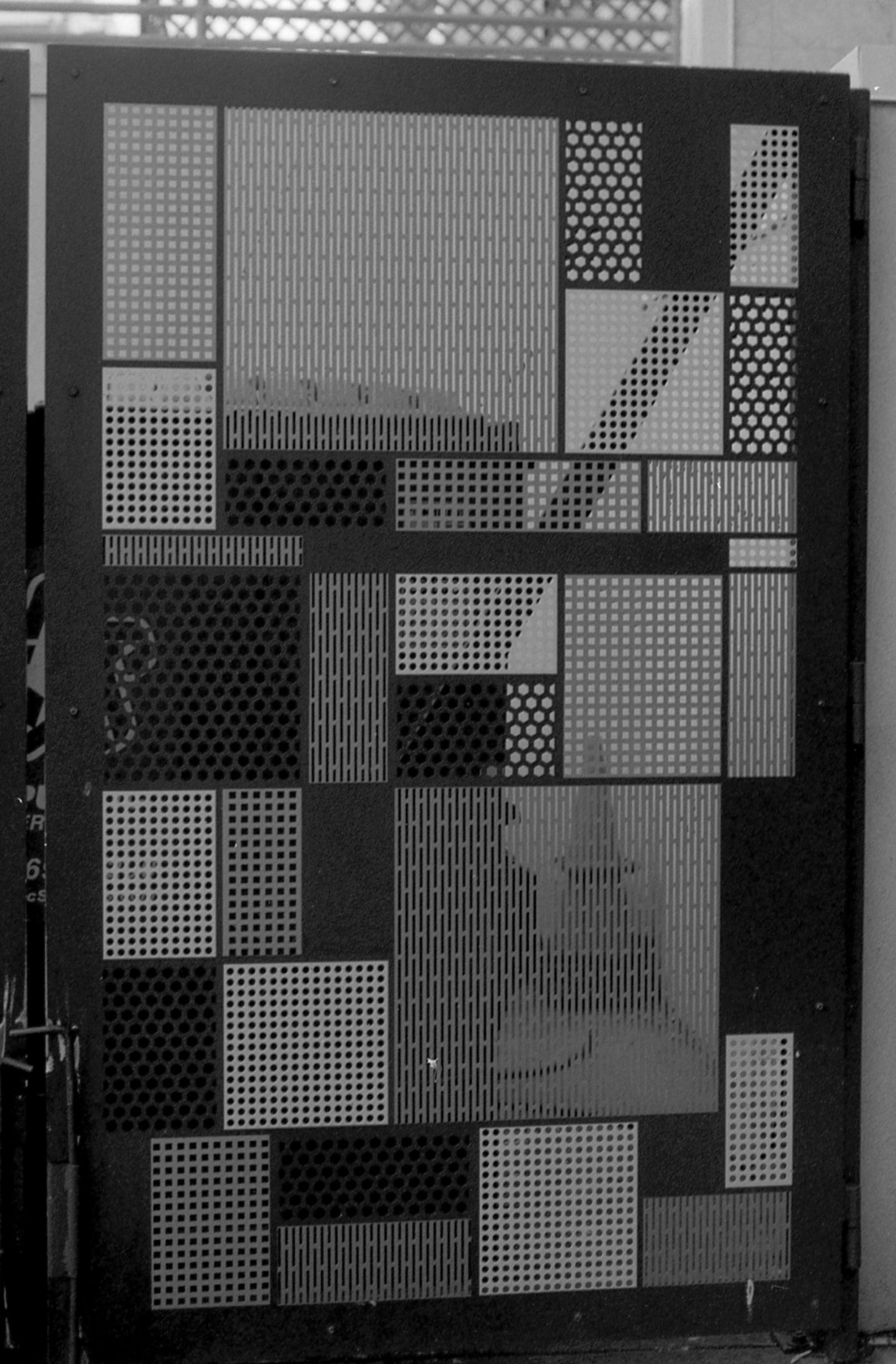
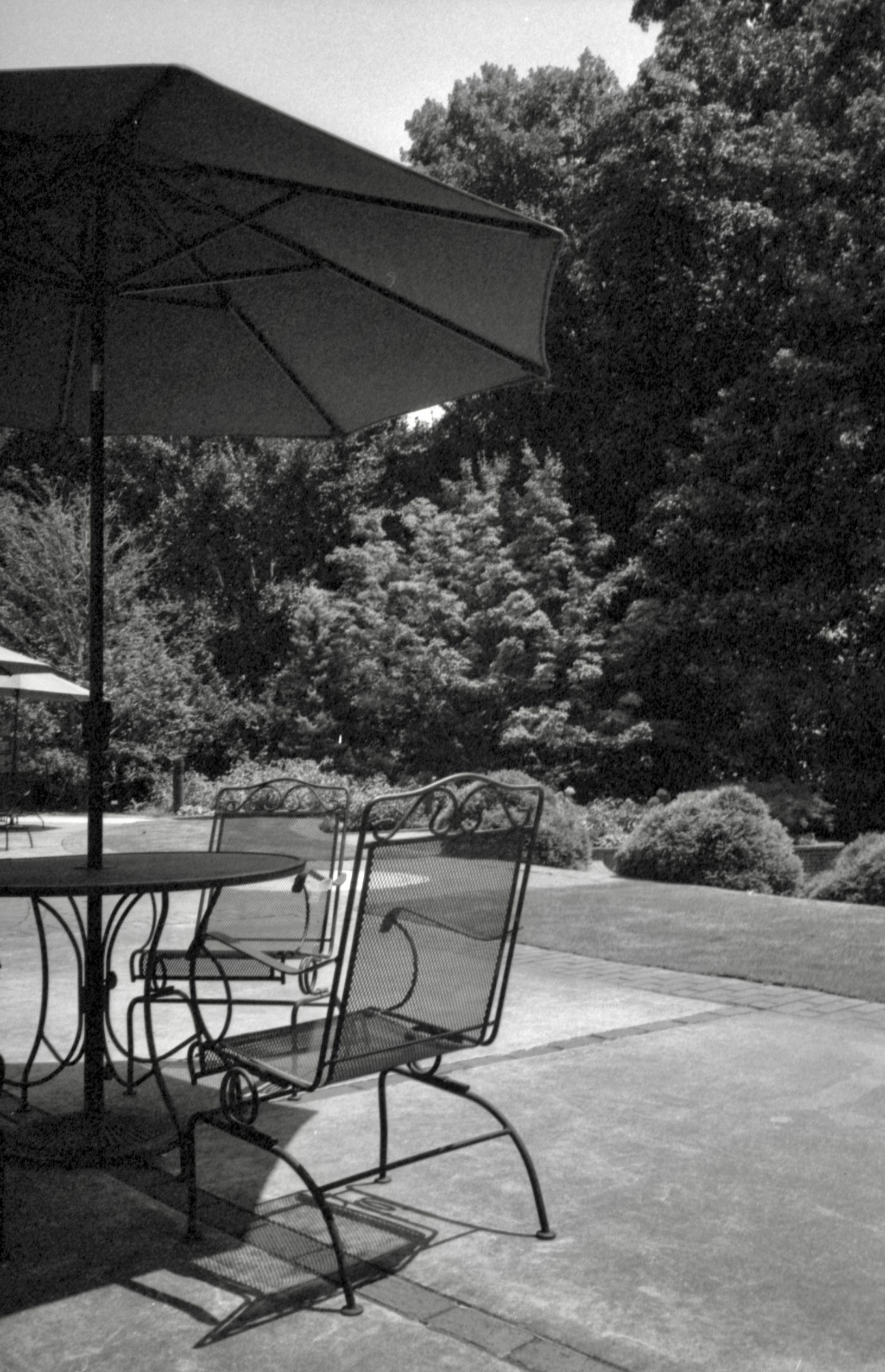
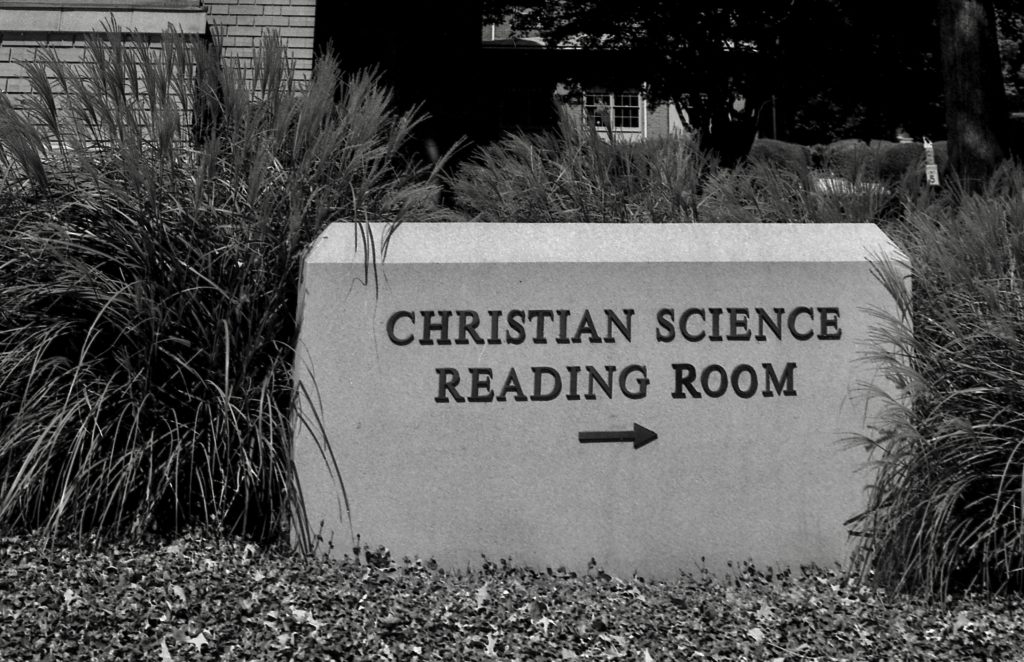
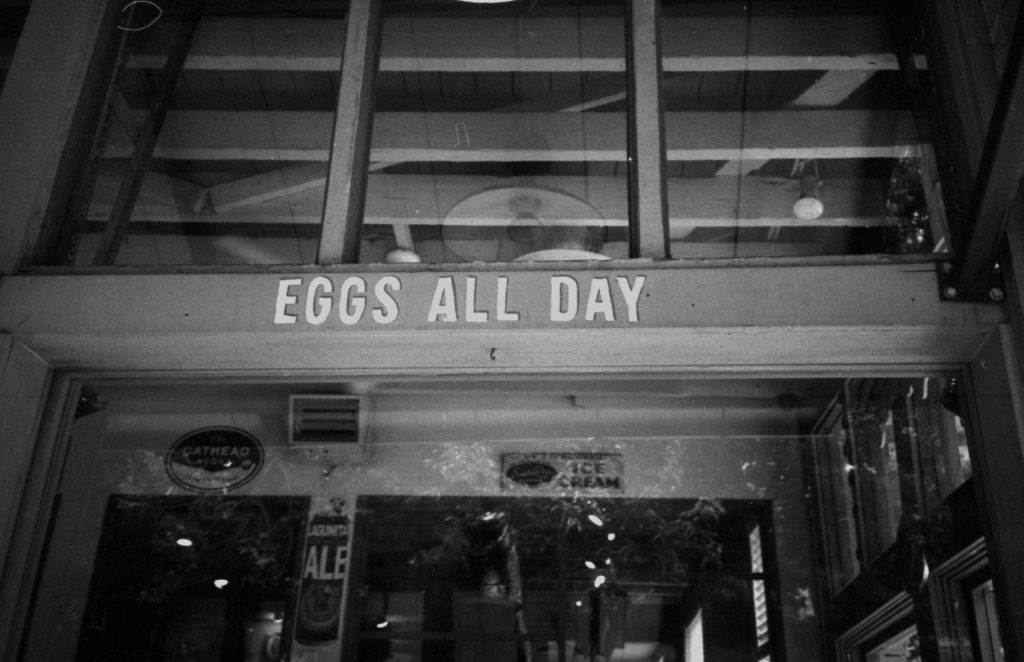
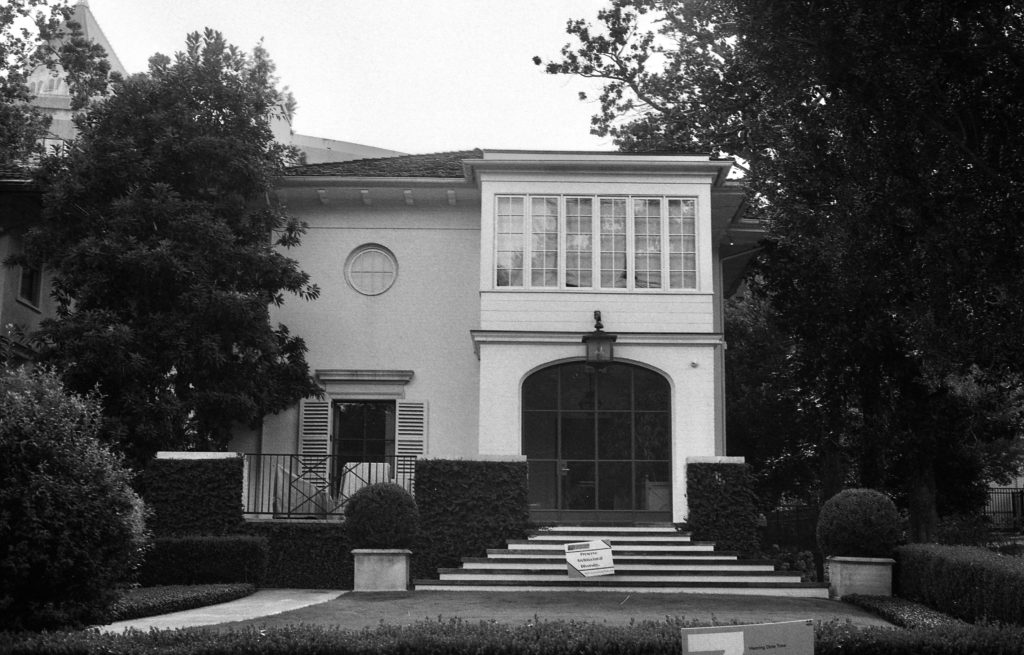

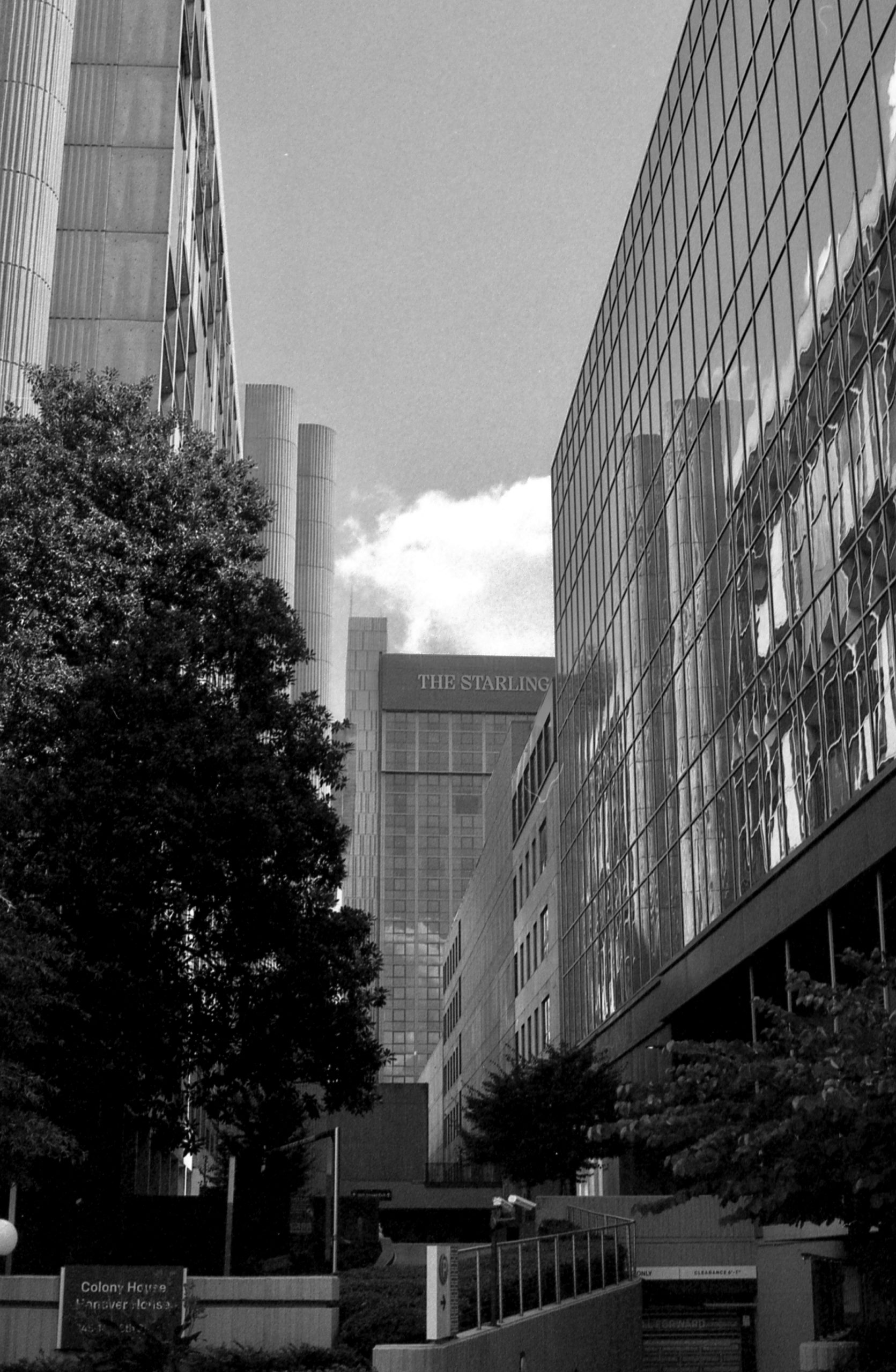
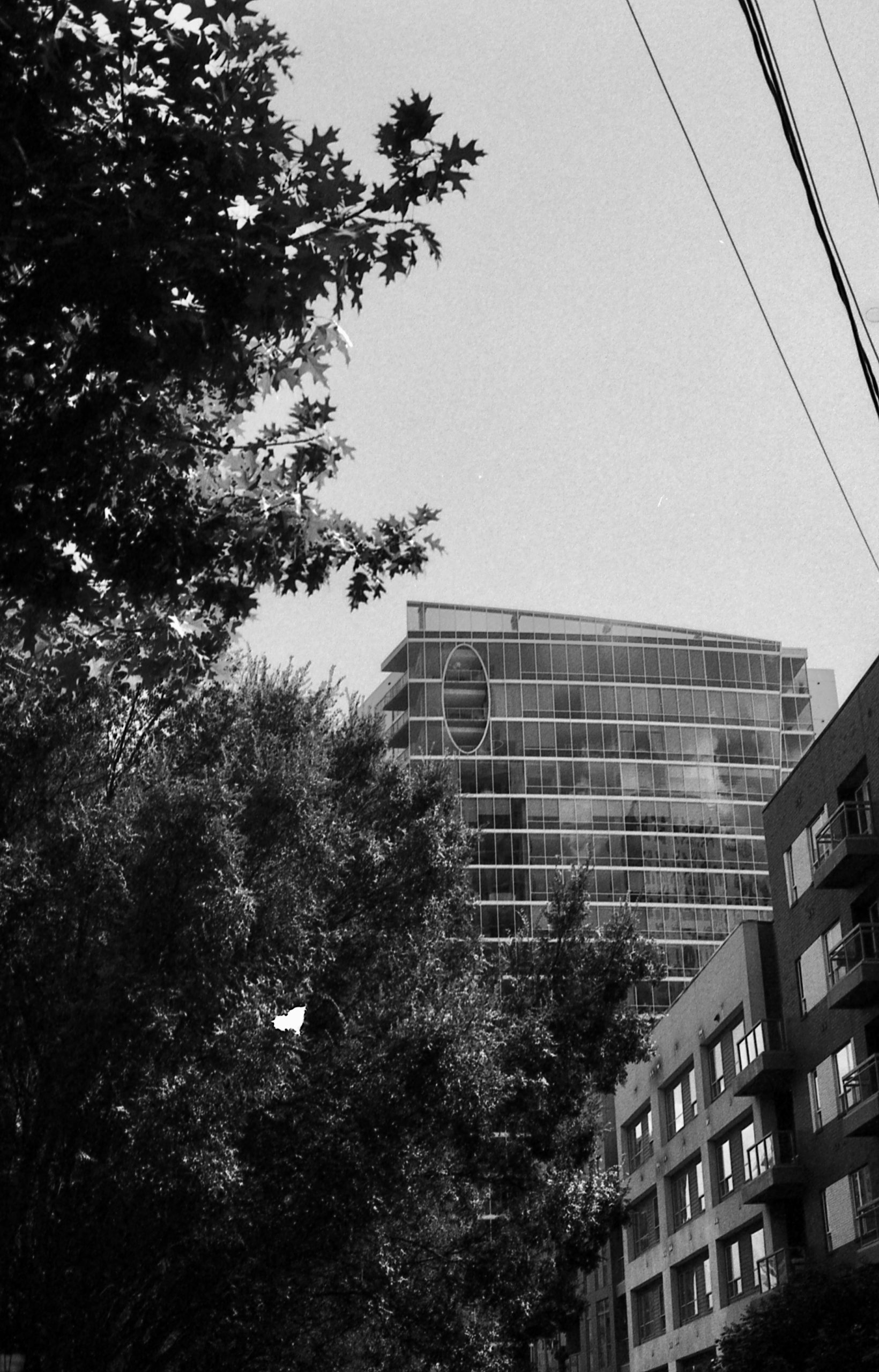
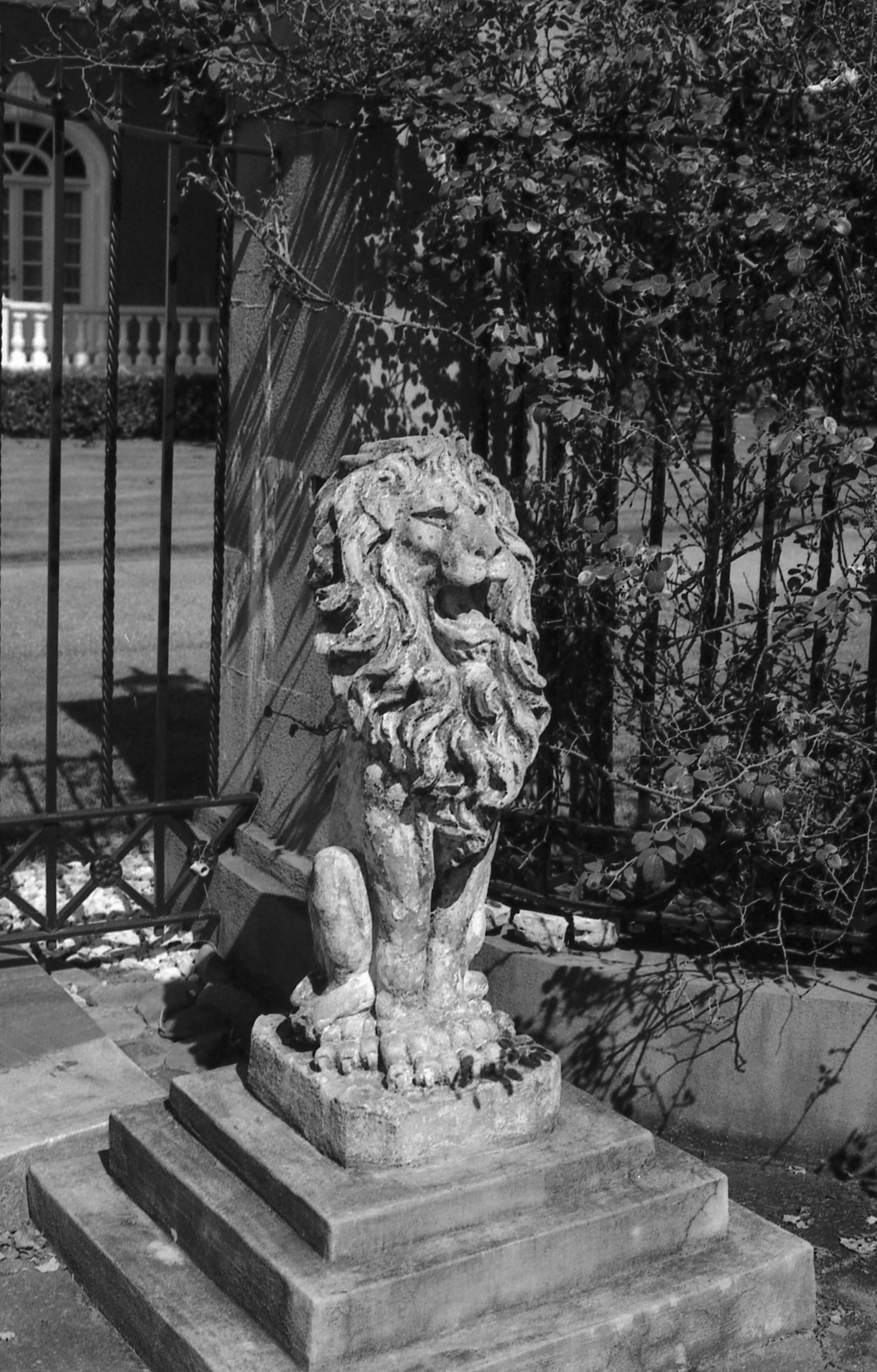
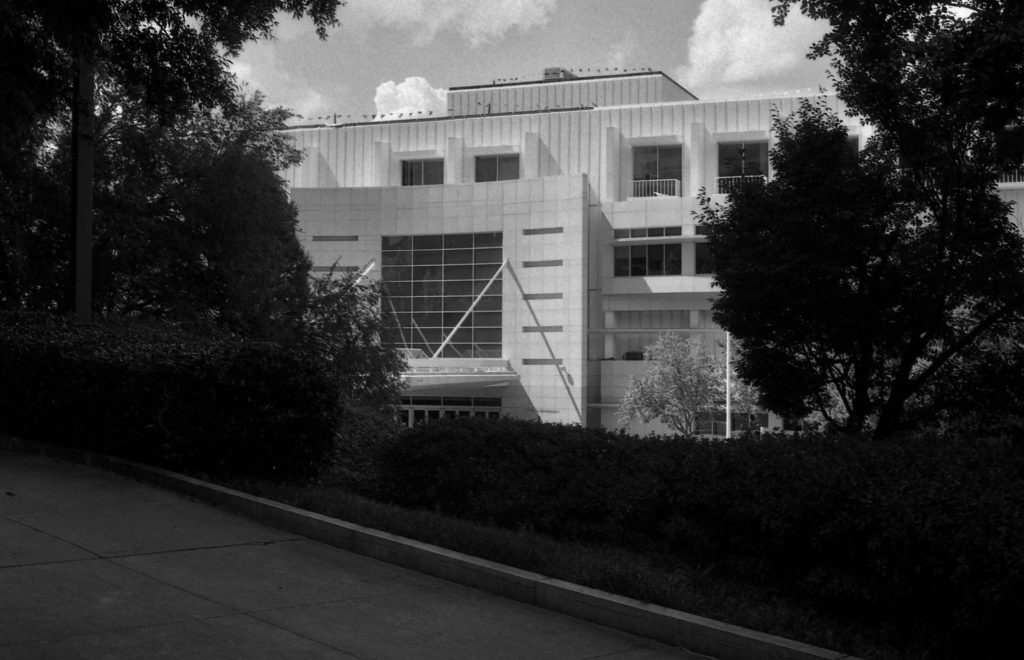
Looking at the initial scans, I was blown away—especially by how BWxx renders high-contrast scenes. It delivers beautiful tones, a full spectrum of grays, and plenty of detail. The grain, while noticeable, is not intrusive—I like it. At times, it is barely noticeable. Having seen what BWxx can do at 35mm, I’m eager to shoot a roll in my Pentax 645. The Konica Pearl II might also be good for a 120 format outing.
As much as I like this film, I cannot articulate exactly why it seems different from other black-and-white films. Perhaps it seems more silvery than others??? When I look at the office building images, they look more silver than just gray, almost chrome-like. The blacks also seem shiny, not dull, but I could be fooling myself. The bottom line is I like this film a lot, so I will spend time planning subjects for the two remaining rolls. Buying more is a matter of cost vs. Tri-X. I bought these rolls more than five years ago, and they are much more expensive now, costing significantly more than Tri-X from the places I usually buy film. With that in mind, the two rolls in the freezer have become more precious, and I will treat them the same way I treat Portra 400.
I shot this roll of BWxx just to see what it was like. Verdict? Beautiful, just beautiful.






I agree with your findings. It’s a lovely film, but intolerant of exposure variance, and especially if overexposed, gets very grainy in 35mm. It’s at the limit of my tolerance for graininess. In 120, it is gorgeous; images look crisp and brilliant. And the tonality; like you I can’t explain it, but images are just lustrous in a way other films don’t produce. They just look GOOD. I’m eager to learn your source for cheap ANR glass, as I’ve looked for it and haven’t found a good source myself.
Yes, BWxx is lovely!
I bough the ANR glass from “TammysElegantFrames” on Etsy. They cut them to order. I’m using the V600, so I bought a second V600 35mm film holder from Amazon
and adapted it so that the ANR glass completely cover the negative.
I love 5222! Specifically in 120. I’ve never been disappointed by the results. And your images came out fantastic! I have shot it in 35mm, and never had issues with curling, though. If anything I have issues with cupping with Tri-X.
Thanks! I’m beginning to wish I’d bought more. I have no idea why mine curled so badly, but ANR glass came to the rescue. I’m sure it is amazing in 120.