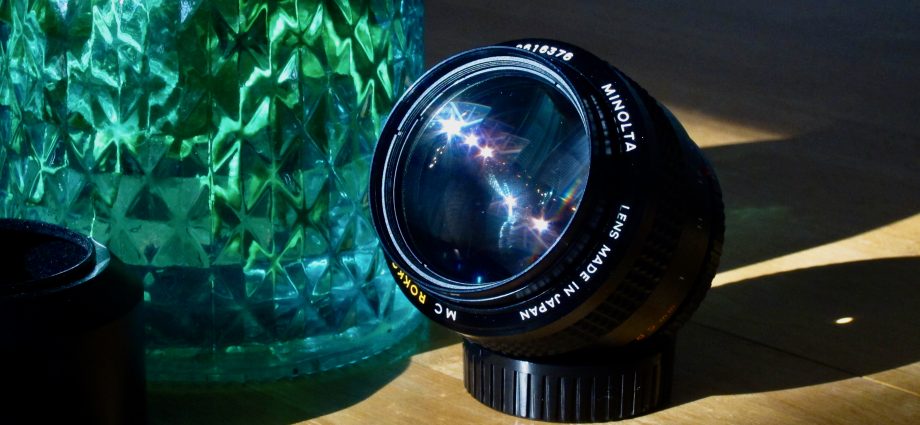
Along with the MC Rokkor 58mm f/1.2, the MC Rokkor 85mm f/1.7 sort of fell into my lap. It was part of a set of six or so lenses listed on eBay as simply “XE-7 with lenses.” There were few images of the items, but the one item I did recognize was the 85mm f/1.7 (go here for the rest of the story). That was five years ago, and I’m just now getting to the MC Rokkor 85mm f/1.7. When I inspected the lens, I found oil on the aperture blades, resulting in a sticky shutter, which is part of the reason for the delay in taking it out for a spin. Once I learned of John Titterington, I sent it to him for a CLA. He returned it in beautiful, like-new condition.
The 85mm f/1.7 is a portrait lens, which accounts for the second shooting delay—I don’t do people portraits, just flowers. And for flowers, I have many options such as the Minolta AF 100mm f/2.8 macro and the Pentax 645 with either macro lenses or extension tubes, which I’m happy with. As a result, the 85mm f/1.7, photographically speaking, serves no specific need for me. Recently, when trying out my Sony A7 II, I decided the time had come to test it. Of course, flowers were the first subjects, but then I decided why not take it out for a stroll.
Background
Minolta produced three generations of the 85mm f/1.7. The MC-X version, discussed here, was introduced in 1973. A final MD Rokkor-X version was released in 1978 with the arrival of the XD camera line. The introduction of the 85mm f/2.0 in 1979 ended the run of the f/1.7 version, which was no longer made.
General opinion across the web is that the 85mm f/2.0 is a technically better lens, but the f/1.7 version has a more impressive appearance. I agree.


Technical Specs and Shooting Experience
The minimum focus distance (MFD) is 1m/3.5ft. The 55mm filter size is typical for the MC-X lens generation, and its wide focusing ring makes it a breeze to handle. This is not a lightweight lens, weighing in at 455gm/16.05oz. It is sturdy and well-built with metal construction. (For more detailed specs, see Minolta SR Lens Index).
Thus far, I’ve used this lens with the Sony A7 II, which I bought to test lenses before using them with film. It feels balanced on the Sony A7 II, and it is much better for walking about than the Minolta AF 85 1.4, which is bulkier and heavier. Focusing was quick; however, at f/1.7, even with focus peaking, the three subjects of the sharpness tests took time to get right. As others have said, wide-open, the lens is a tad soft, but depending on the subject, that softness is more or less unimportant.
Buying
On eBay, be prepared to pay $300.00 to 400.00 (US) for a clean copy. The MC-X models seem to command the highest prices. Don’t be afraid to buy a lens with a stuck aperture at a bargain price, which seems to be fairly common for this lens. Many repair shops will CLA lenses at very reasonable prices (less than $100.00).
Images
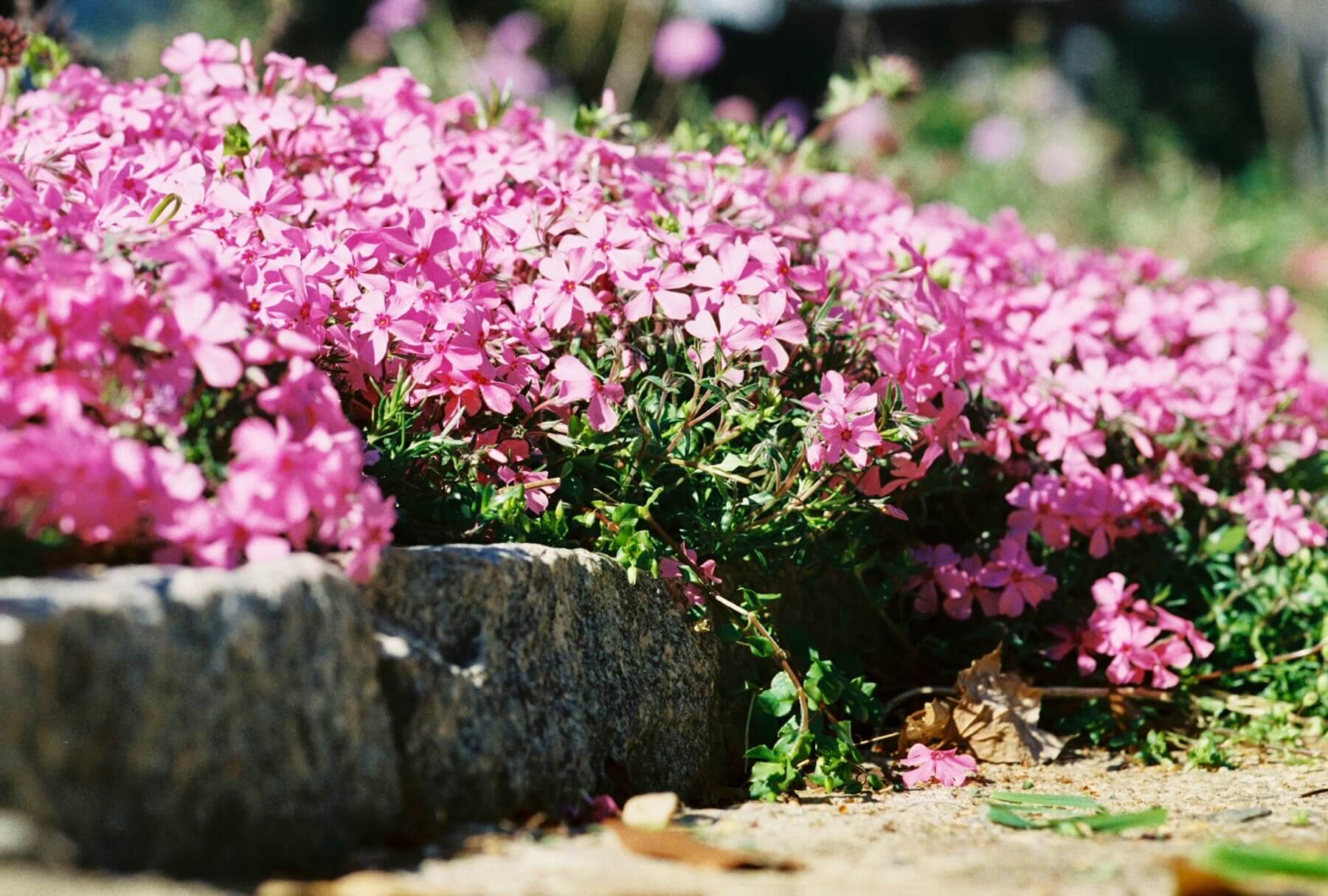
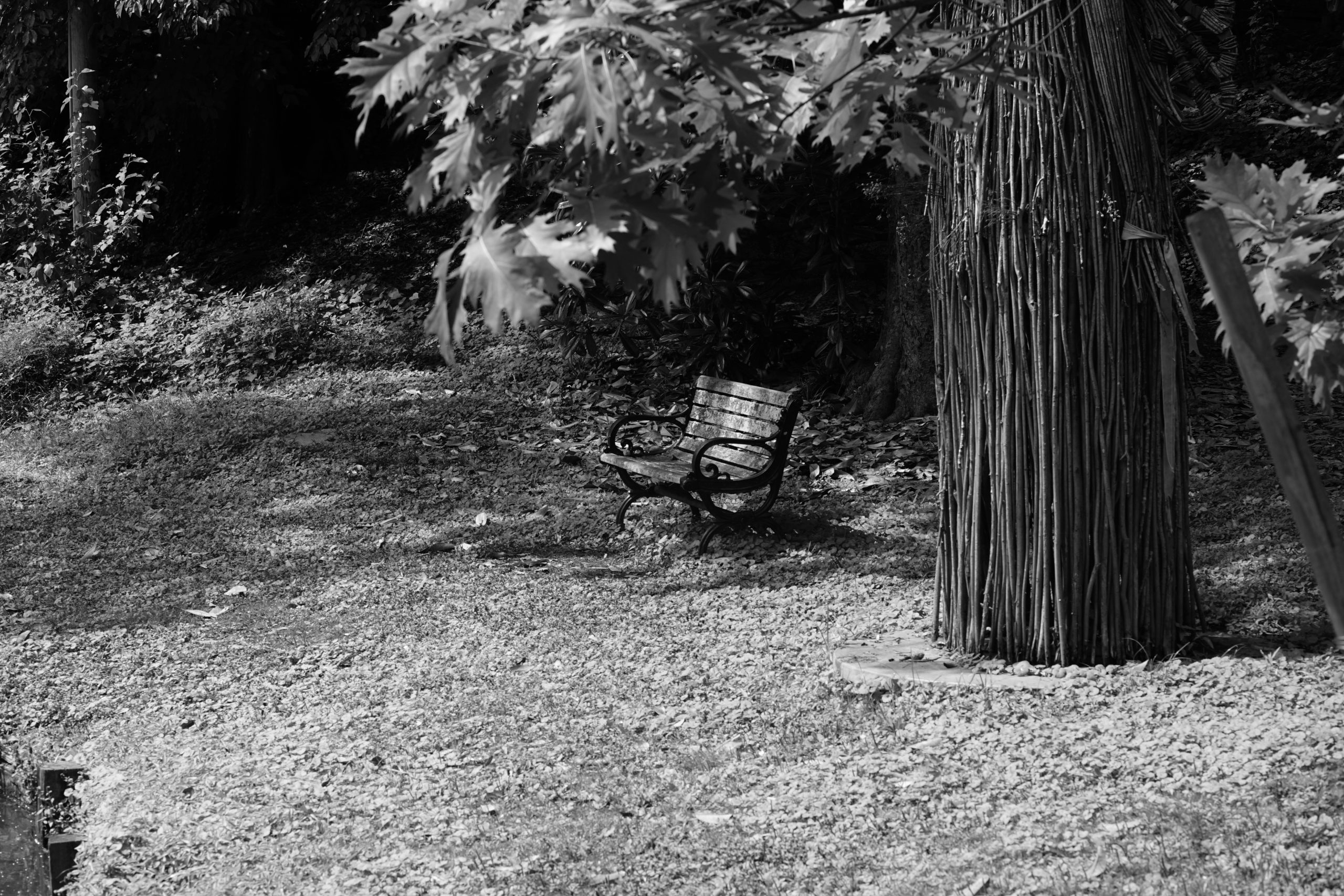
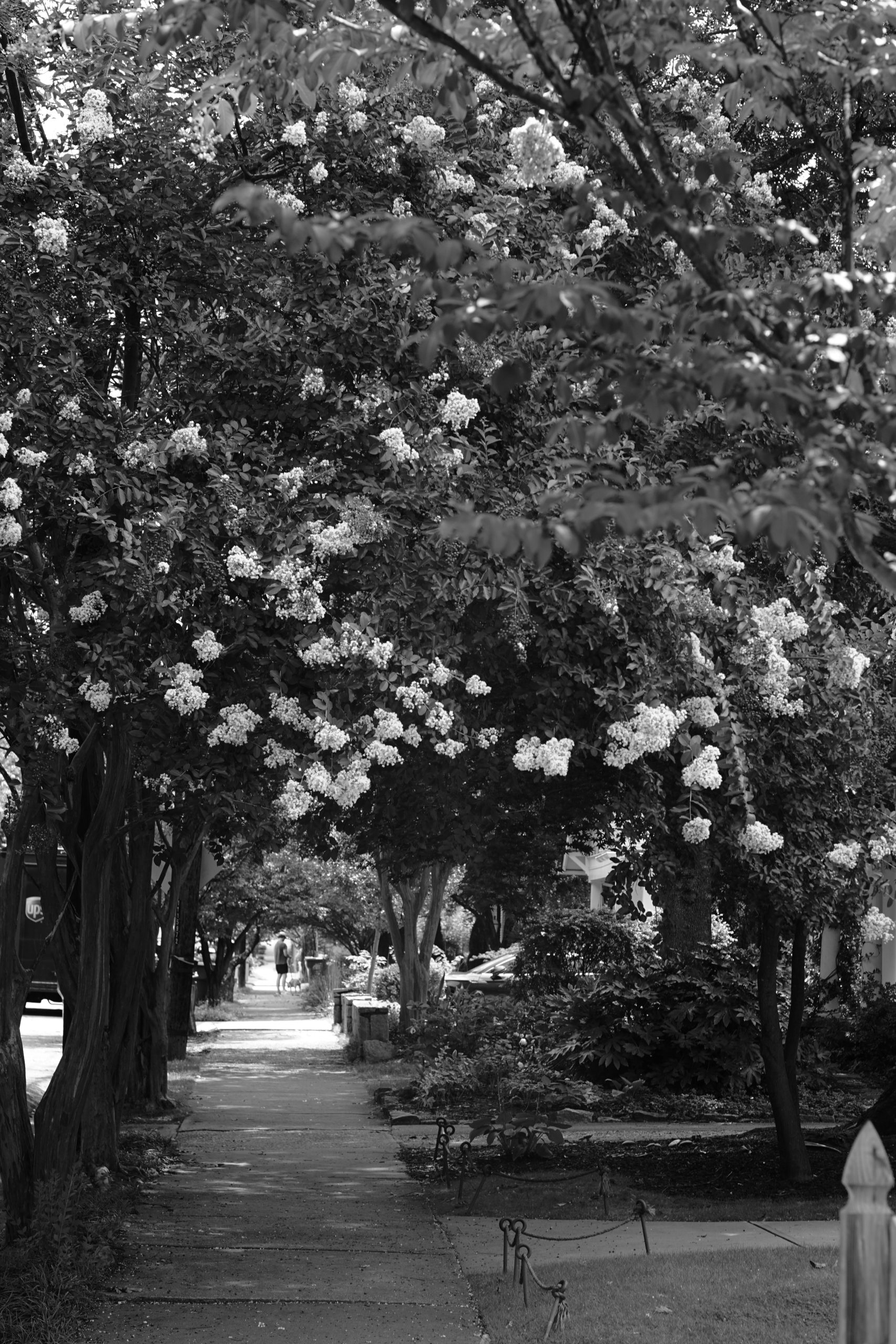
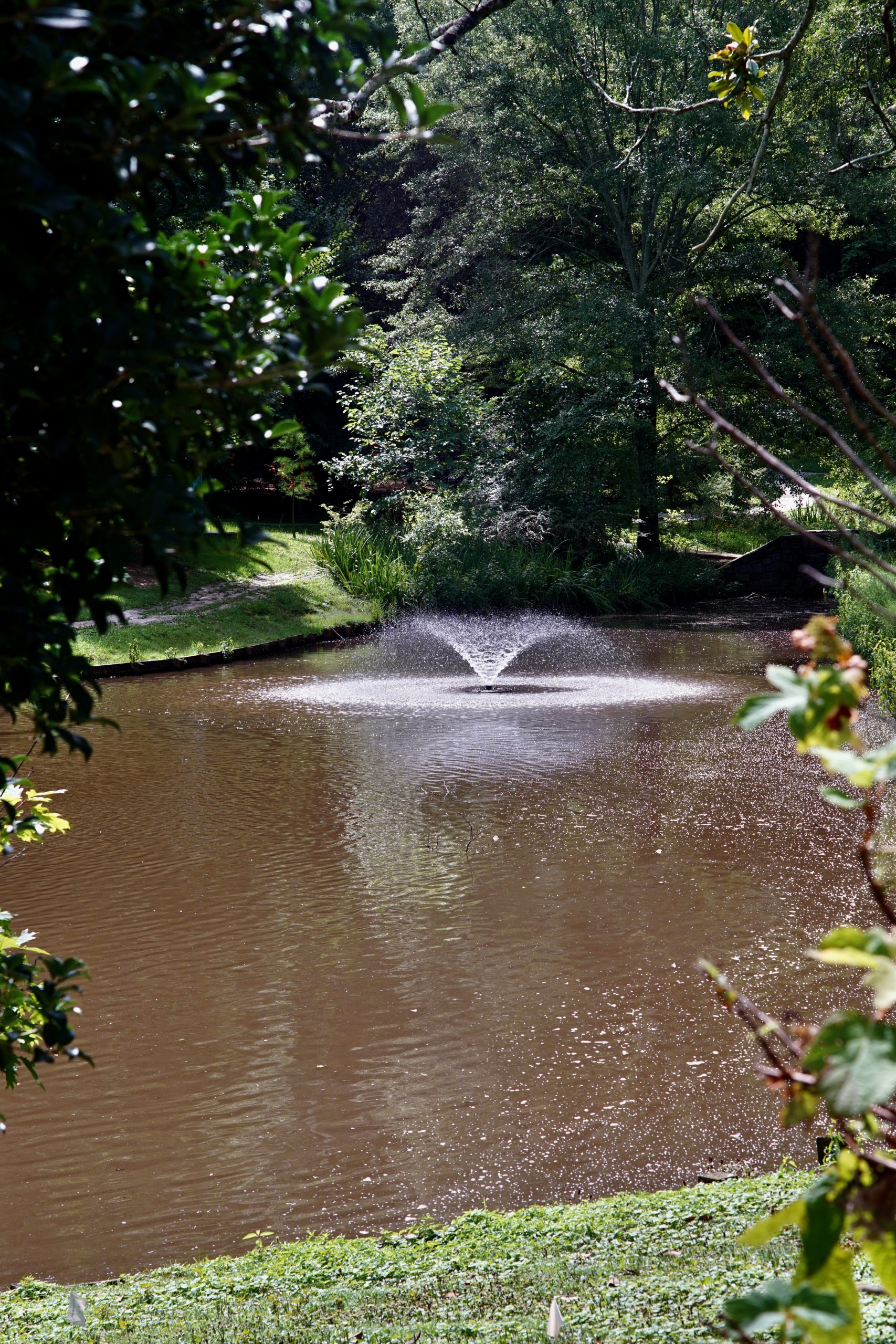
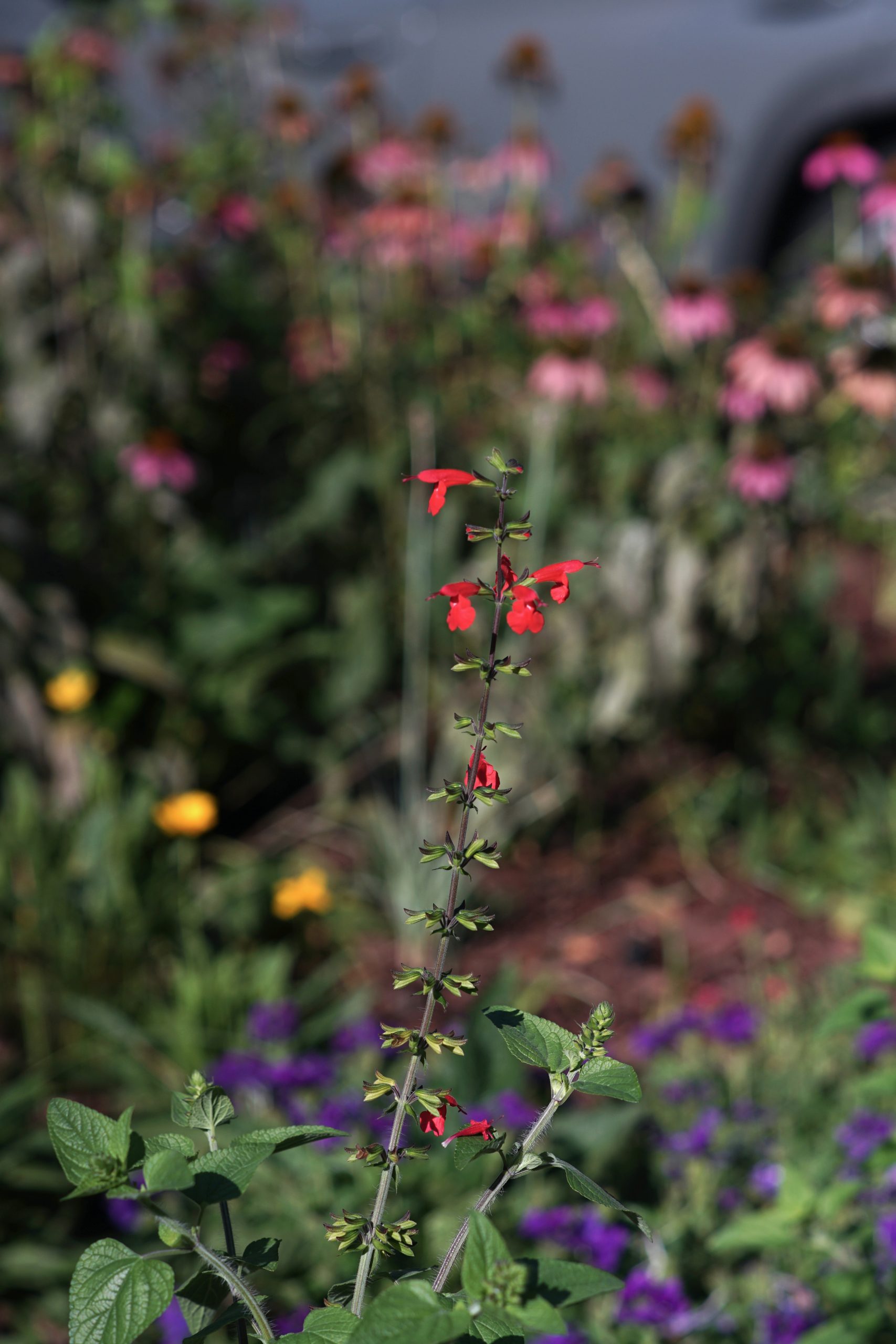
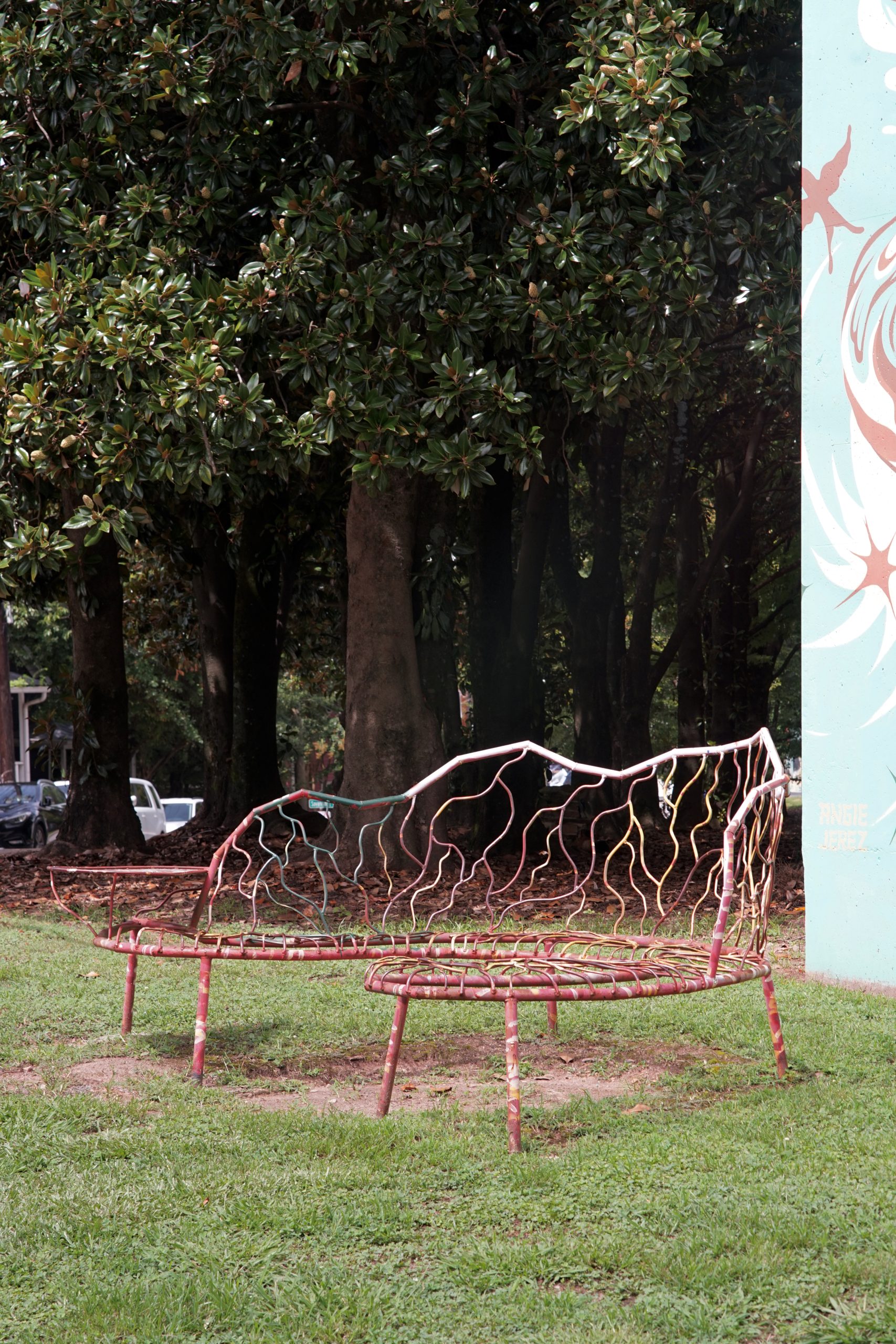
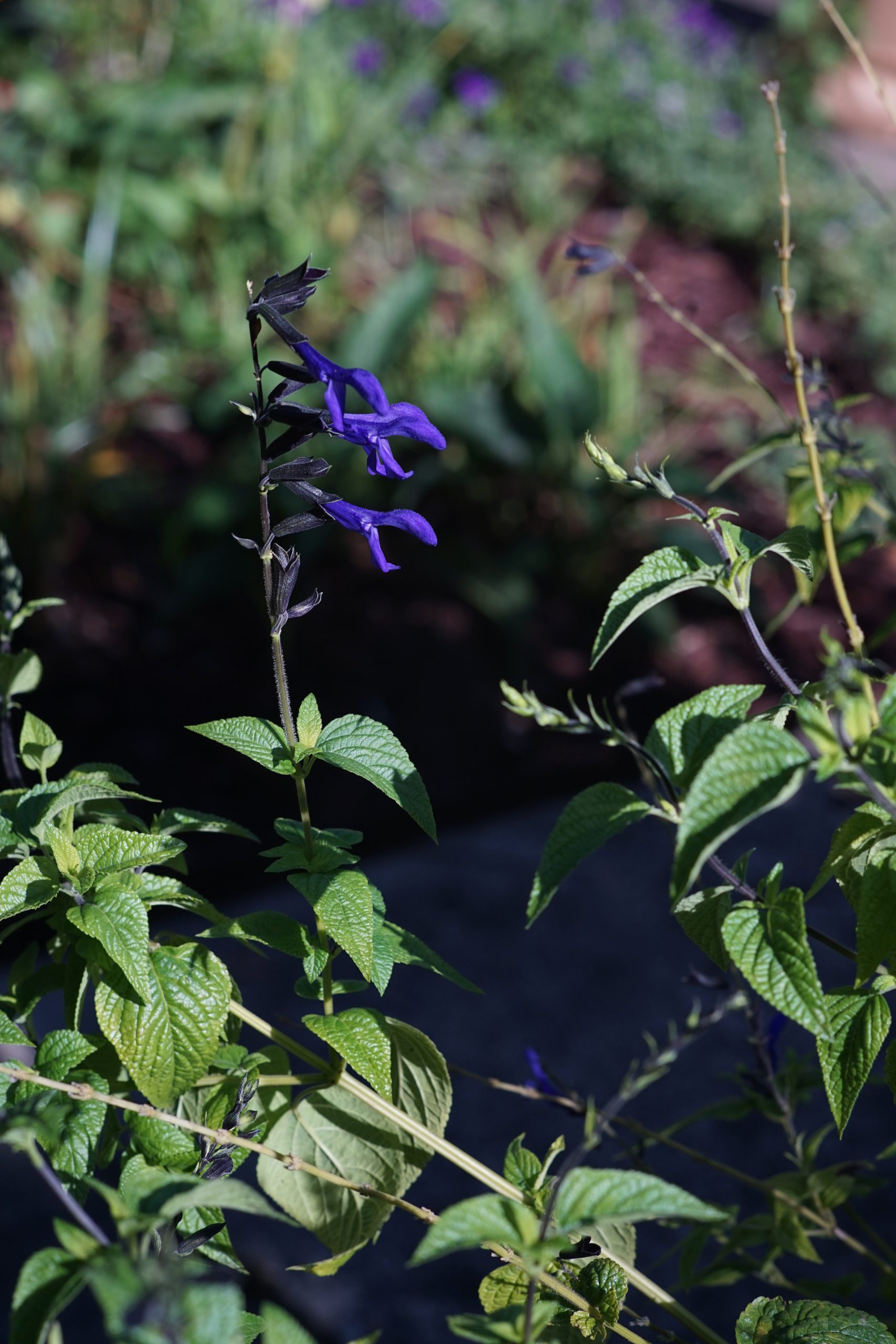
Two test images were shot at f/1.7: a book cover and an eye chart. The eye chart was shot at the MFD; the book was more than 4ft away. While out, two images were taken at f/1.7: the speckled orange and yellow canna lily flower and the “Inman Park” sign. The remaining images were shot at various apertures.


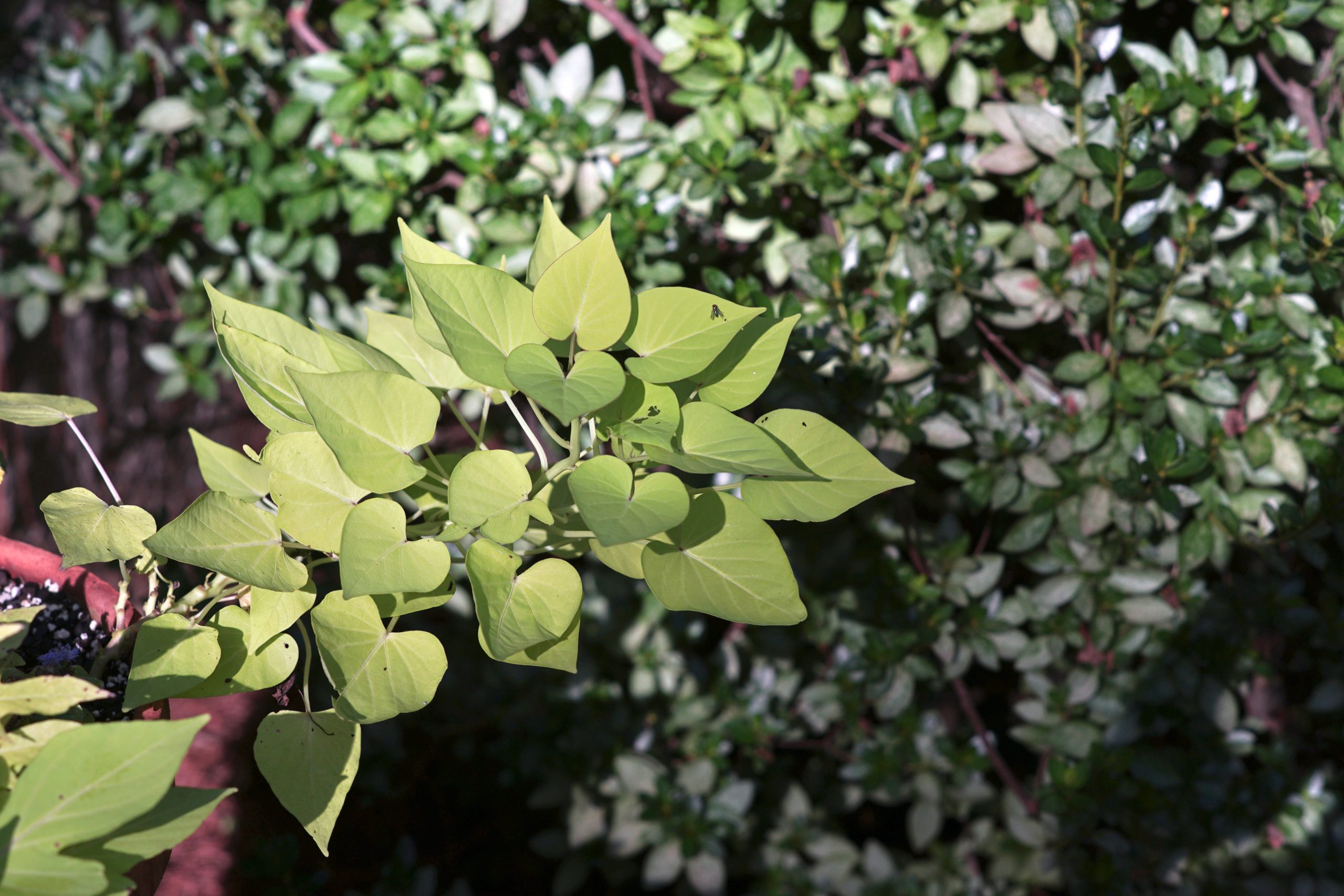
Since flower photography is a specific interest, shots from the garden are included. The clarity and detail rendered by the lens is quite pleasing. However, due to the MFD, I still prefer the macro lenses for floral images because they offer greater flexibility when framing subjects. However, at an aperture of f/4 or higher, the MC Rokkor 85mm f/1.7 matches my macro lenses in sharpness.






Impressions
I very much like the aesthetics of this lens. My copy is nearly pristine, and it handles well. From f/4 on, it is sharp with great contrast. Image-wise, the floral shots turned out beautifully, and I also like the bokeh. Like the AF 85mm f/1.4, I still consider this a studio lens. Its weight makes me lean even more in that direction. That being said, it did wonderfully with outdoor scenes. It renders colors well with good contrast, and being over 50 years old, it performed quite well with the 24MP Sony sensor. This is a very capable lens.
Despite my very favorable impression of this lens, I have this nagging thought that the MD Tele Rokkor 100mm 2.5 matches the MC Rokkor 85mm f/1.7 in terms of sharpness, color rendition, and contrast. In addition, the MD Tele Rokkor 100mm 2.5 is lighter and more compact and better suited to my wanderings. If not for the VMLP, it is unlikely an 85mm f/1.7 would have been at the top of my “to-buy” list, since the Minolta AF 100mm f/2.8 macro was among my earliest purchases. I like this lens a lot, but aside from curiosity, I don’t see a specific set of circumstances where I might use it over the other lenses in my collection. Practically speaking, it is competing with the Minolta AF 100mm 2.8, MD Tele Rokkor 100mm 2.5, and even the AF 85mm 1.4 G for camera time. As an objet d’art, it is lovely and has satisfied my VMLP curiosity, but I think it’s time to find it a new home.
Suggested Reviews
Phillip Reeve
Casual Photophile