
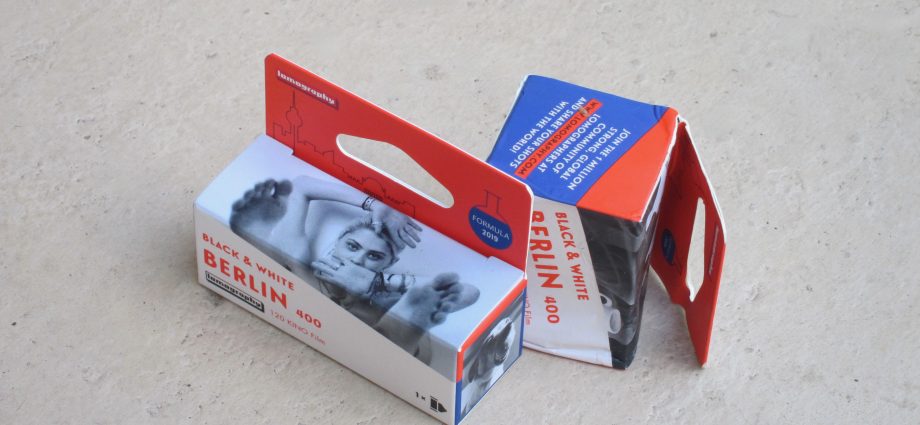
Like Derev Pan 400 and FP 200, I bought Berlin Kino at the height of the pandemic. Lomography has mastered romanticizing film. Reading a description of any of their offerings makes one want to grab a beret or fedora and set out in search of a decisive moment. After struggling with Tri-X’s curl and getting annoyed with the variable results I got from Ultrafine Xtreme 400, I decided to try Berlin Kino. It took me five years to actually load a roll in a camera. When I discovered Kentmere 400, I stopped worrying about 400 ISO black-and-white film.
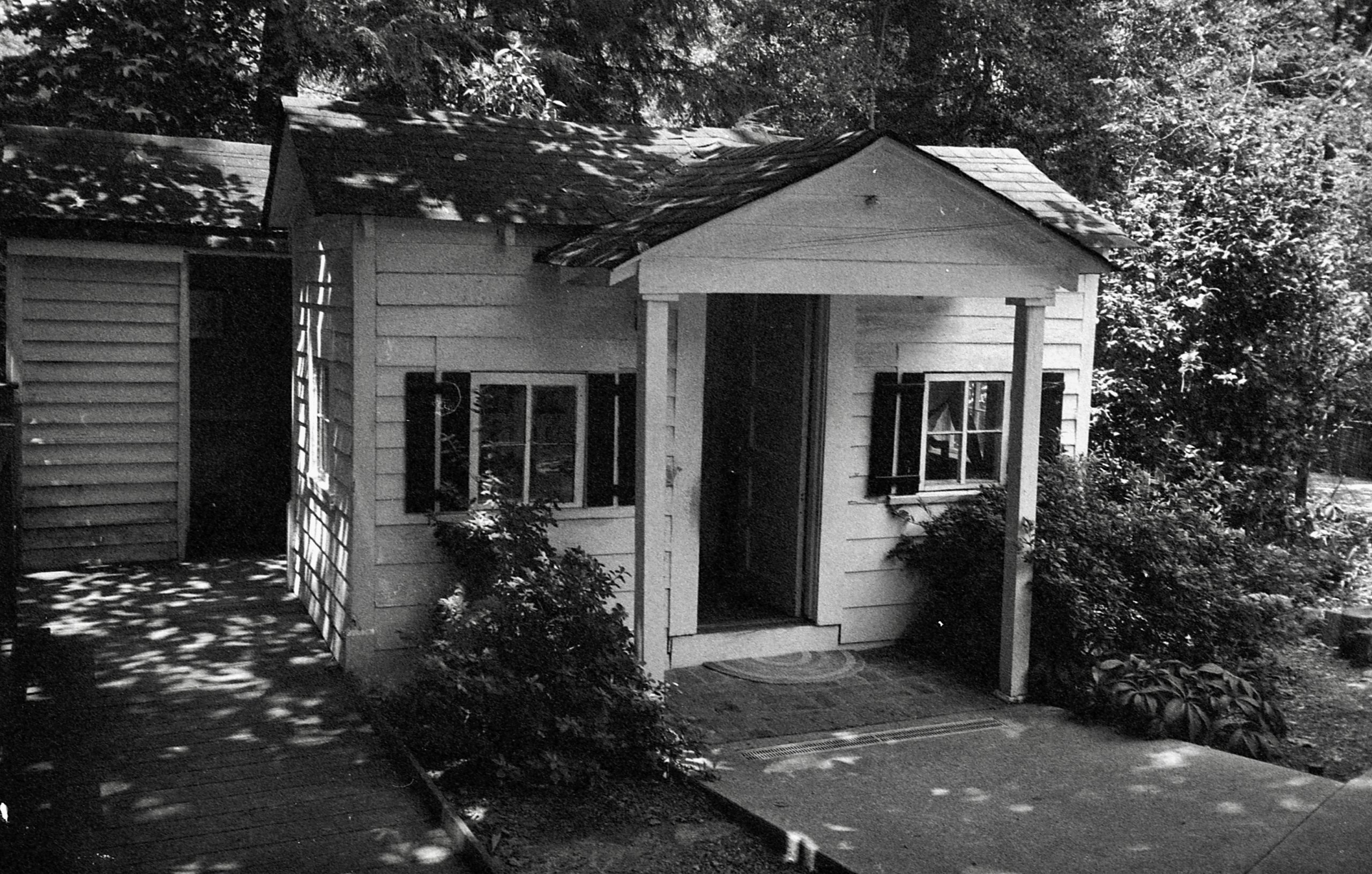
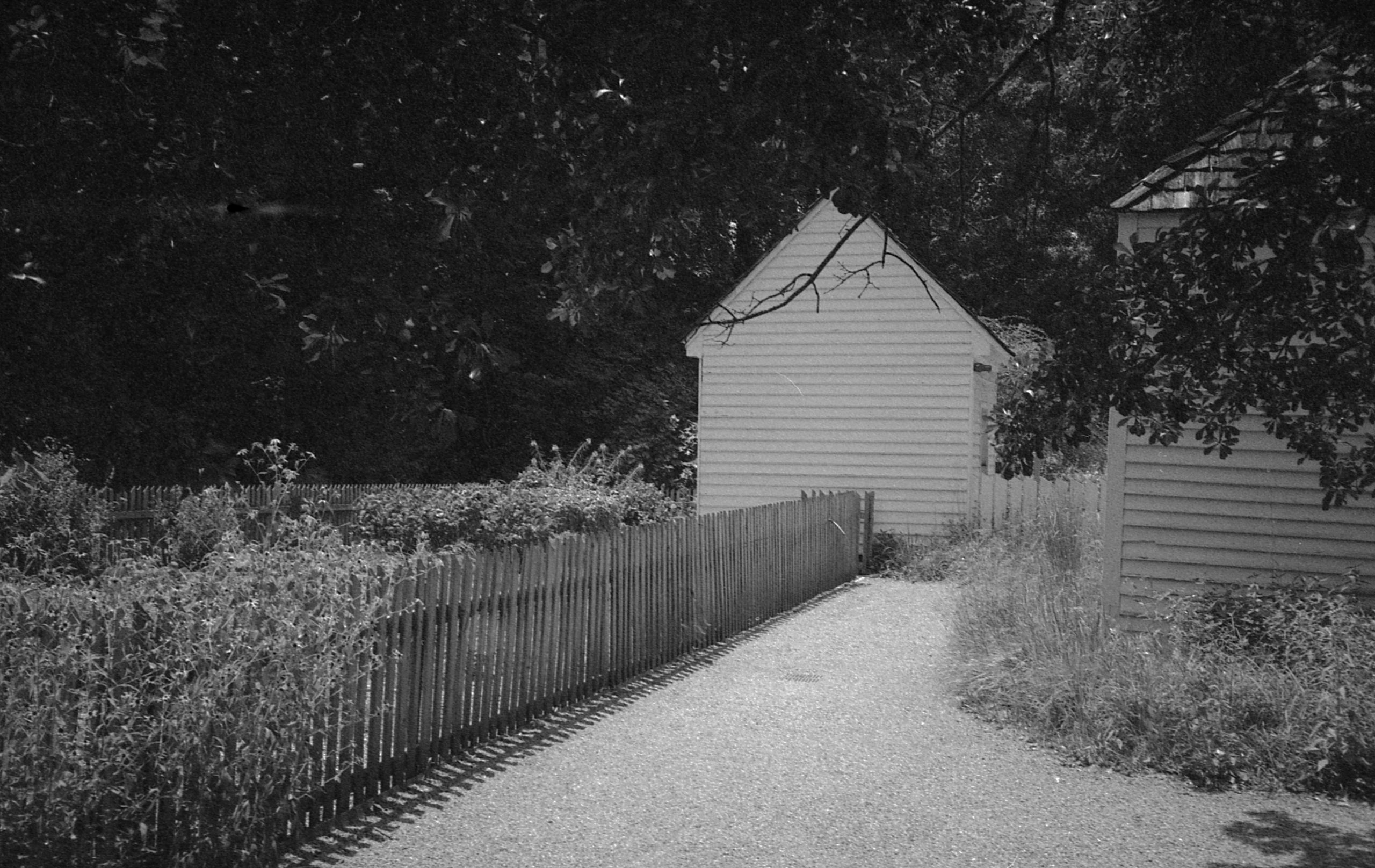
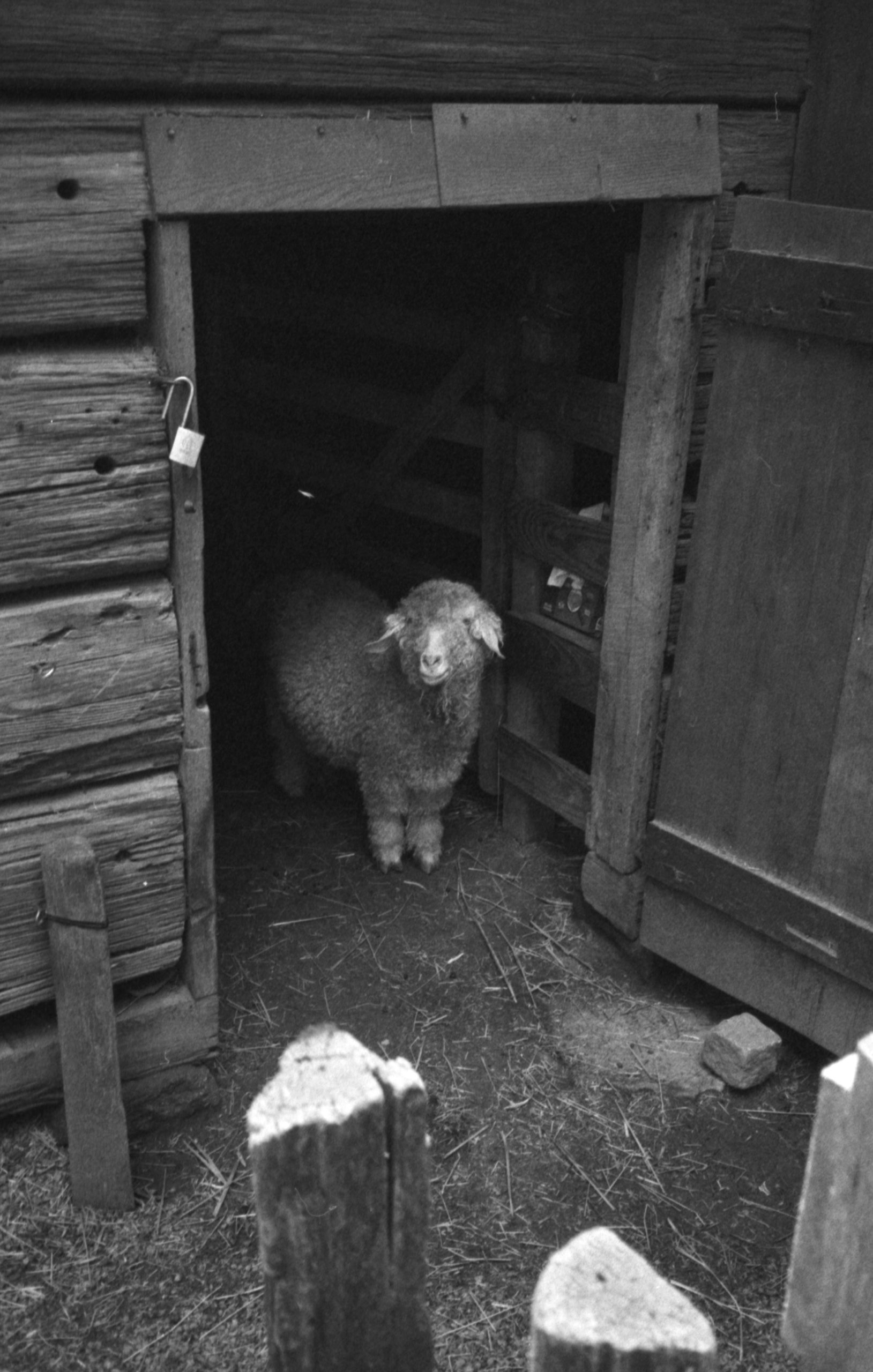
In July, when I decided to visit the Atlanta History Center for the first time in decades, I loaded a Minolta AF-C with Berlin Kino and took it along for the ride. Aside from the marketing copy, I hadn’t read anything about the film or what others thought of it. I shot it at 400 ISO, and hoped for the best. I chose the AF-C because it has always metered nearly perfectly and produced sharp images. To finish the roll, I took the AF-C for a city walk.



History
Lomography released Berlin Kino in 2018. Lomography describes it as a German cinematic film with a “high dynamic range and sophisticated tonal spectrum.” If the Internet is to be believed, this is ORWO N74 stock. Reasonably priced at 10.99/roll, the price isn’t bad, but Tri-X and Kentmere 400 are cheaper.
Images
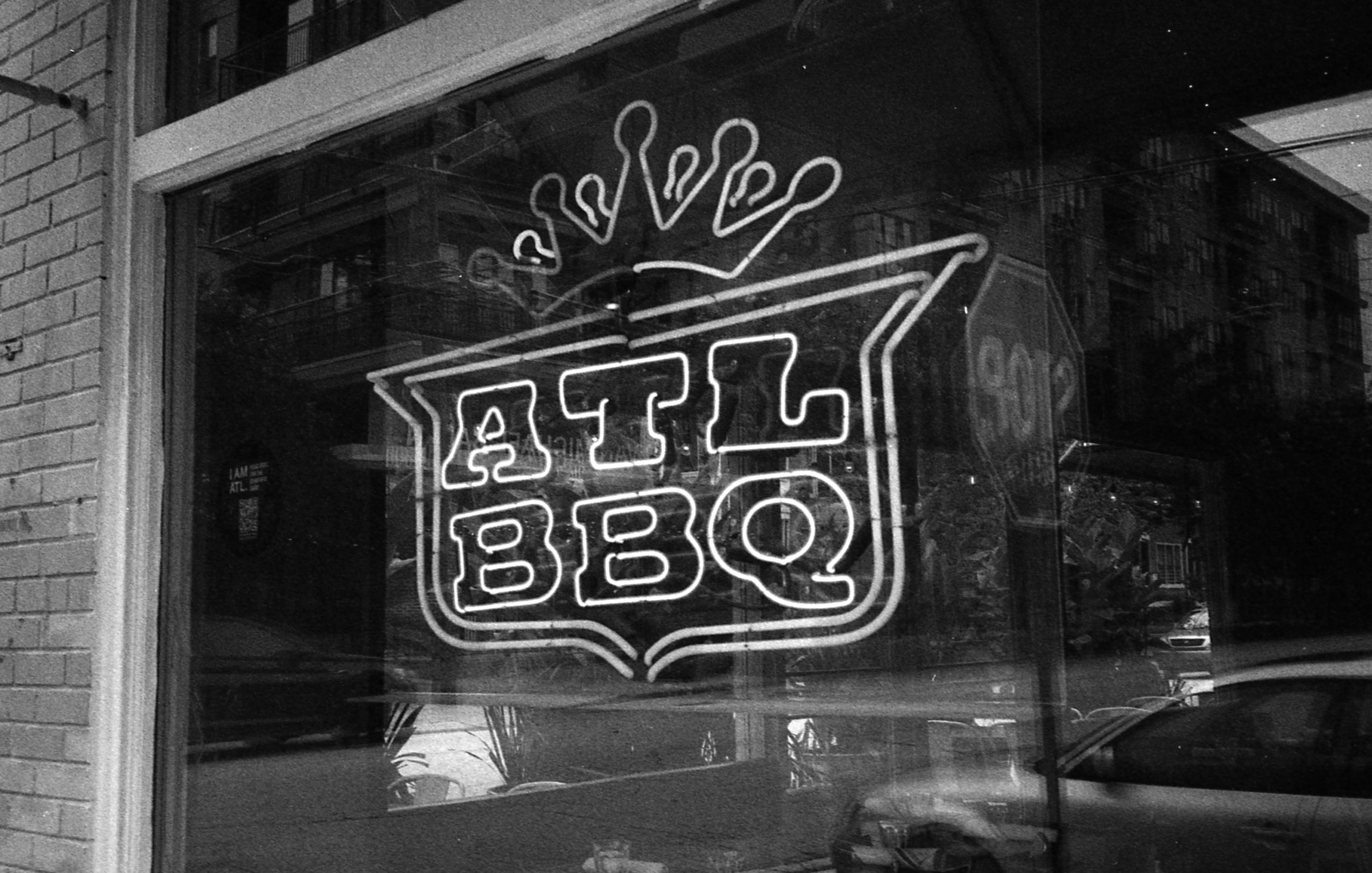
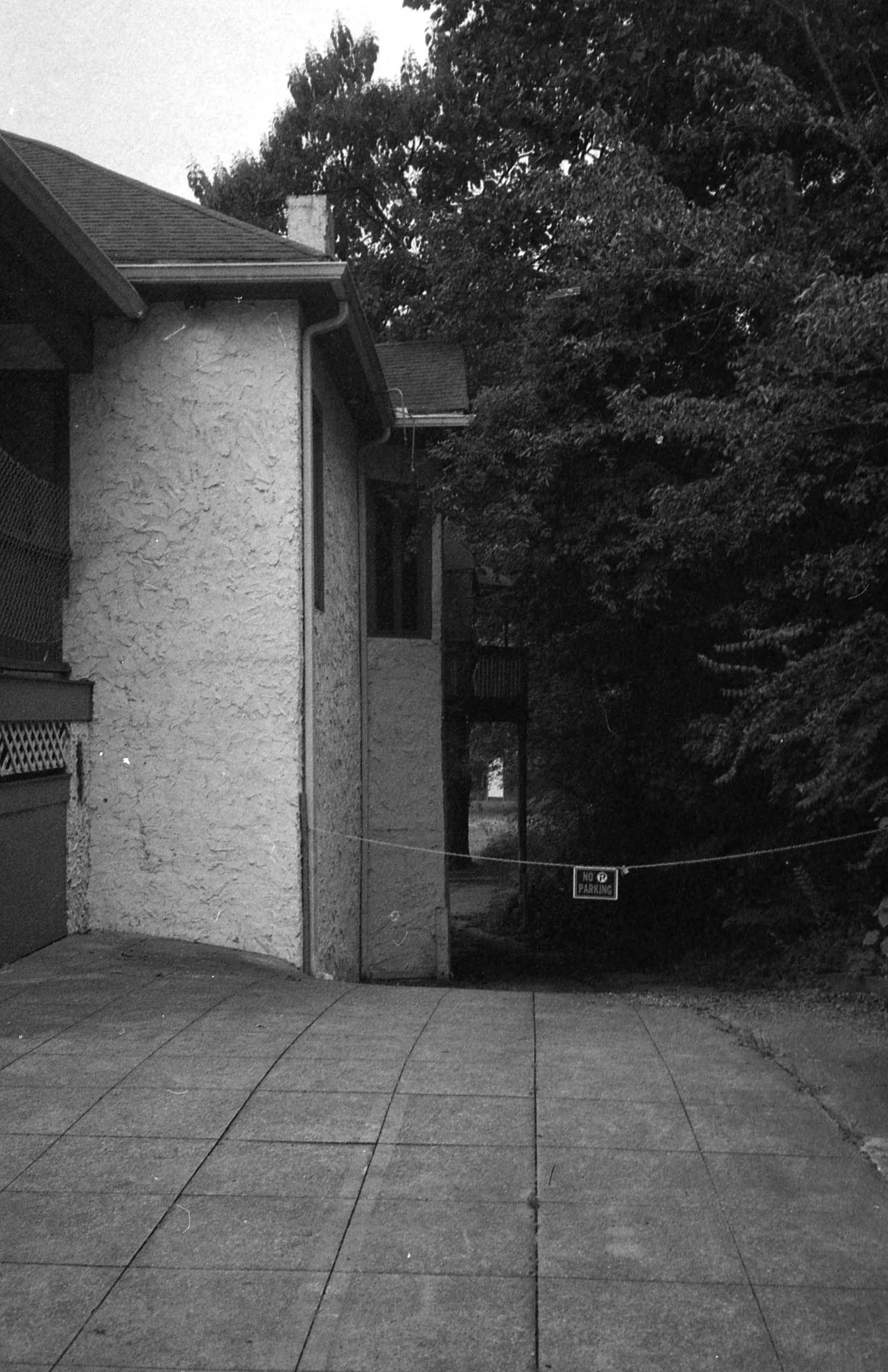
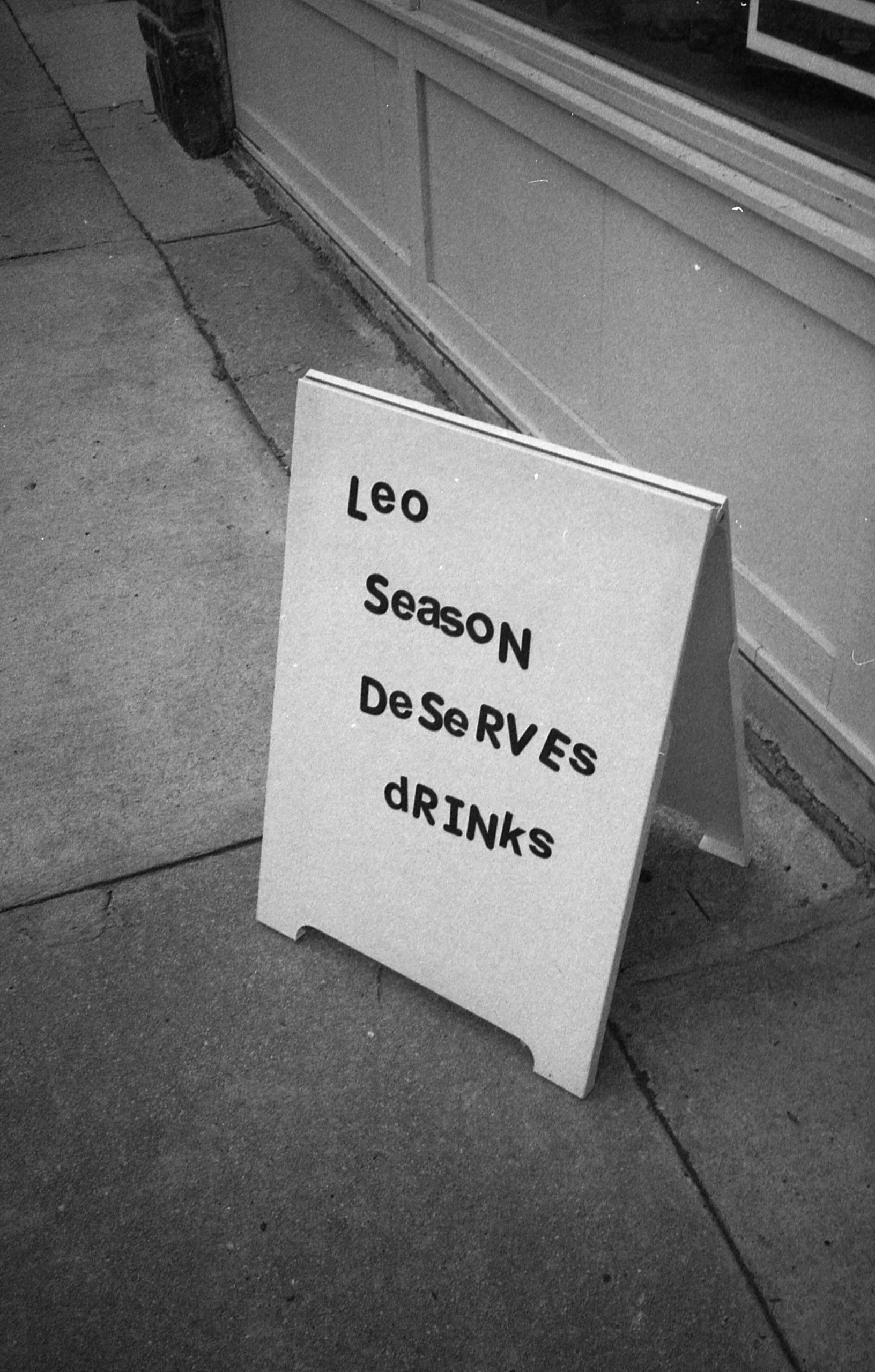
I developed this roll in fresh DF96 monobath, which has given me good results with other film stocks. As others have mentioned, the midtones are good. But high-contrast scenes seem to cause trouble. The biggest surprise was the amount of grain, which seems to affect the apparent sharpness, especially in low light.





Summary
Berlin Kino is not bad, but it has more grain than I like in a 400 ISO film. There is a second 35mm roll in the freezer along with a roll in 120 format, which I’ll get to at some point–maybe they will change my mind. However, at the moment, I cannot think of a reason to buy more. Kentmere 400 is cheap, and Tri-X produces more dramatic images than the dreamy grayness of Berlin Kino. HP5+ has also given me great results. While I have no praises to sing for Berlin Kino, I’ve tried Potsdam Kino (100 ISO) in 120 format and really liked it.
One really annoying aspect of Berlin Kino (35mm) is the film canister. It doesn’t open like conventional 35mm canisters, so I spent at least 20 minutes trying to open the canister in the darkroom bag. Finally, I put a pair of needle-nosed pliers in the darkroom bag and ripped the top off. Now that I know about the canister, I will not rewind the film completely into it.
Overall, I have nothing bad or good to say about Berlin Kino. For the moment, I’ll leave it at that.






“It is what it is” is a pretty apt description of most of Lomography’s stocks. Most seem to be designed towards “unique looks” and I’m more of a “boring color and black and white person”. I have liked the standard 100, 400, and 800 color stocks when I used them. But now they are more expensive than Kodak, so why use them?
We’re in complete agreement. Although, I do like Potsdam Kino. The color stocks, especially the 400 and 800, are nice and made sense when they were 4-7 dollars per roll. But they are not sufficiently distinctive to warrant the higher cost these days.
Yeah, if the Lomo Color 800 was an affordable alternative to Cinestill and Portra, I’d use it. But at Blue Moon Lomo is more than Cinestill, and only sixty-five cents less than Portra! Hard pass.
My days of buying Lomo and Portra are probably over. Early in the pandemic, when I started developing at home, I took my wife’s advice and bought extra rolls. I still have a few rolls left and those will be for specific projects. Once they are gone, I will be officially done with Lomo and Portra. Twenty bucks is too much for a roll of film.